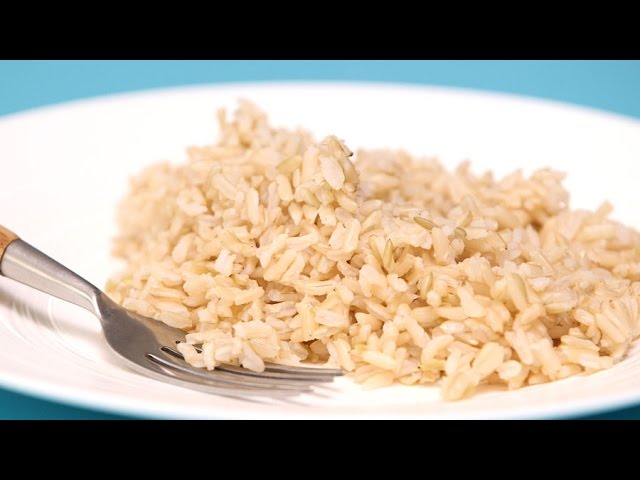
Cooking brown rice correctly requires understanding the fundamentals of its composition and the required steps to realize the specified texture and taste. Brown rice, famend for its dietary worth, is an entire grain that retains its bran and germ, not like its white rice counterpart. This distinction grants brown rice the next focus of fiber, nutritional vitamins, and minerals, making it a more healthy alternative.
Its significance extends past dietary advantages; brown rice holds cultural and historic significance in varied cuisines worldwide. Incorporating brown rice right into a balanced weight loss program not solely nourishes the physique but in addition connects people to culinary traditions.
To embark on the culinary journey of cooking brown rice, it’s important to understand the methods that can result in completely cooked grains.
Learn how to Prepare dinner Brown Rice
Cooking brown rice entails a collection of important facets that contribute to its profitable preparation. Understanding these key components ensures completely cooked, flavorful, and nutritious brown rice.
- Rinsing: Eradicating extra starch prevents stickiness.
- Soaking: Shortens cooking time and enhances texture.
- Water Ratio: The fitting proportion of water to rice is essential for doneness.
- Cooking Methodology: Stovetop, rice cooker, or oven strategies yield completely different outcomes.
- Cooking Time: Varies relying on the amount and methodology used.
- Seasoning: Salt, herbs, and spices elevate the flavour profile.
- Fluffing: Separates grains and prevents clumping.
- Resting: Permits the rice to soak up any remaining moisture.
- Storage: Correct methods preserve freshness and forestall spoilage.
These key facets work in conjunction to ship completely cooked brown rice. Rinsing removes extra starch, stopping a gummy texture. Soaking reduces cooking time and improves grain separation. The water ratio determines the doneness and texture of the rice. Cooking strategies range by way of comfort and the specified final result. Cooking time is determined by the amount of rice and the strategy employed. Seasoning enhances the flavour, whereas fluffing and resting guarantee optimum texture. Correct storage methods protect the standard and freshness of cooked brown rice.
Rinsing
Rinsing brown rice earlier than cooking is an important step that considerably impacts the ultimate texture and high quality of the cooked rice. Extra starch on the floor of brown rice grains can result in stickiness and clumping, leading to an unappetizing and ugly consuming expertise. Eradicating this extra starch by means of rinsing ensures that the cooked rice grains stay separate and fluffy, with a fascinating texture and mouthfeel.
The starch current on brown rice is a pure element that helps shield the grain throughout storage. Nonetheless, when cooked, this starch could cause the rice grains to stick to one another, leading to a, gummy texture. Rinsing the rice previous to cooking removes a good portion of this floor starch, stopping it from interfering with the cooking course of and making certain that the rice grains cook dinner evenly and stay separate.
Along with stopping stickiness, rinsing brown rice additionally helps to take away any impurities or particles which may be current on the floor of the grains. This leads to cleaner, better-tasting rice that’s free from undesirable particles. Moreover, rinsing brown rice can assist to scale back the cooking time because the absence of extra starch permits the water to penetrate the grains extra simply.
Total, rinsing brown rice earlier than cooking is an easy however important step that contributes to the profitable preparation of fluffy, flavorful, and appetizing brown rice. By eradicating extra starch, rinsing ensures that the cooked rice grains stay separate and have a fascinating texture, making it an essential element of the general strategy of cooking brown rice.
Soaking
Soaking brown rice previous to cooking is a method employed to scale back cooking time and improve the feel of the cooked rice. This course of entails submerging the rice grains in water for a time frame, sometimes a number of hours or in a single day. Soaking permits the rice grains to soak up water, which causes them to increase and soften, leading to a discount in cooking time.
The significance of soaking brown rice as a element of “methods to cook dinner brown rice” lies in its impression on the feel and high quality of the cooked rice. Soaking permits the rice grains to cook dinner extra evenly, leading to a extra tender and fluffy texture. With out soaking, the rice grains might cook dinner inconsistently, resulting in a mix of overcooked and undercooked grains. Moreover, soaking helps to take away extra starch from the floor of the rice grains, which might contribute to stickiness. By decreasing the starch content material, soaking promotes the separation of particular person rice grains, leading to a extra fascinating texture.
In sensible phrases, soaking brown rice can save time throughout the cooking course of. Soaking for a number of hours can cut back the cooking time by as much as 20 minutes, making it a handy methodology for getting ready brown rice. Moreover, the improved texture achieved by means of soaking can enhance the general consuming expertise of brown rice, making it a extra satisfying and satisfying meals alternative.
Total, soaking brown rice previous to cooking is an easy but efficient approach that contributes to the profitable preparation of brown rice. By decreasing cooking time and enhancing texture, soaking performs an essential position in reaching completely cooked brown rice, making it an integral part of “methods to cook dinner brown rice”.
Water Ratio
The water ratio used when cooking brown rice performs a pivotal position in reaching the specified doneness and texture. Understanding the right proportion of water to rice is important for profitable preparation.
- Optimum Absorption: The best water ratio permits the rice to soak up ample water throughout cooking, leading to plump and tender grains.
- Grain Separation: The proper water ratio prevents the rice from turning into mushy or sticky. By offering satisfactory house between the grains, it promotes even cooking and separation.
- Texture Management: Adjusting the water ratio can affect the feel of the cooked rice. The next water ratio yields softer rice, whereas a decrease ratio leads to firmer rice.
- Cooking Time: The water ratio additionally impacts the cooking time. Utilizing an excessive amount of water can result in overcooked rice, whereas too little water may end up in undercooked rice.
Understanding the connection between water ratio and doneness empowers dwelling cooks to tailor the cooking course of to their desired final result. By experimenting with completely different ratios, one can obtain completely cooked brown rice that meets their particular preferences and culinary wants.
Cooking Methodology
The selection of cooking methodology for brown rice considerably influences the end result, affecting each the feel and taste of the cooked rice. Three major strategies are generally used: stovetop, rice cooker, and oven.
-
Stovetop Methodology:
Stovetop cooking entails boiling the rice in a pot on the range. This methodology provides exact management over the cooking course of, permitting for changes in warmth depth and cooking time. It’s appropriate for small to medium portions of rice and requires cautious monitoring to forestall overcooking or burning.
-
Rice Cooker Methodology:
Rice cookers are designed particularly for cooking rice and simplify the method. They robotically management the warmth and cooking time, making certain constant outcomes. Rice cookers are handy for bigger portions of rice and have further features corresponding to steaming and retaining the rice heat.
-
Oven Methodology:
Oven cooking entails baking the rice in a lined dish within the oven. This methodology gives even warmth distribution and is appropriate for bigger portions of rice. It requires exact measurement of elements and cautious monitoring to forestall overcooking.
The selection of cooking methodology in the end is determined by private preferences, the amount of rice being cooked, and the specified texture and taste. Every methodology provides distinctive benefits and disadvantages, and experimentation is inspired to find out one of the best methodology for particular person wants.
Cooking Time
Understanding the cooking time of brown rice is an integral part of “methods to cook dinner brown rice” because it instantly impacts the feel, taste, and general high quality of the cooked rice. The cooking time varies relying on two major elements: the amount of rice being cooked and the cooking methodology employed.
The amount of rice influences the cooking time as a result of a bigger quantity of rice requires extra water and an extended cooking length to make sure even cooking all through. Conversely, a smaller amount of rice cooks sooner because it requires much less water and has a shorter cooking time.
The cooking methodology additionally performs a big position in figuring out the cooking time. Stovetop cooking, which entails boiling the rice in a pot, sometimes requires nearer monitoring and adjustment of cooking time based mostly on the amount of rice. Rice cookers, alternatively, simplify the method by robotically controlling the cooking time and temperature, making them appropriate for bigger portions of rice.
Understanding the cooking time is essential for profitable brown rice preparation. Overcooking may end up in mushy, unappetizing rice, whereas undercooking leaves the rice exhausting and unpalatable. By contemplating the amount of rice and the chosen cooking methodology, dwelling cooks can decide the suitable cooking time, making certain completely cooked brown rice each time.
Seasoning
Within the culinary realm of “methods to cook dinner brown rice,” seasoning performs a pivotal position in remodeling a easy dish right into a flavorful and fragrant delight. Salt, herbs, and spices are the culinary instruments that elevate the style profile of brown rice, enhancing its pure nutty taste and including layers of complexity.
-
Salt: The Basis of Taste:
Salt is the cornerstone of seasoning, bringing out the inherent flavors of brown rice. It enhances the notion of sweetness, bitterness, and sourness, making a balanced and harmonious style. Including salt at the start of the cooking course of permits it to penetrate the rice grains, leading to evenly seasoned rice.
-
Herbs: Fragrant Enhancements:
Herbs introduce a vibrant freshness and fragrant complexity to brown rice. Frequent decisions embody parsley, cilantro, thyme, and rosemary. Herbs could be added at varied phases of cooking, with recent herbs stirred in in direction of the top to protect their delicate flavors.
-
Spices: Culinary Transformations:
Spices possess the ability to remodel brown rice into an unique culinary journey. Cumin, paprika, turmeric, and chili powder are standard decisions that add heat, depth, and a contact of warmth. Spices could be added at the start of cooking to infuse their flavors all through the rice or in direction of the top to create a vibrant distinction.
-
Personalized Mixtures:
The fantastic thing about seasoning lies in its versatility. Experimenting with completely different combos of salt, herbs, and spices permits for the creation of distinctive and personalised taste profiles. Whether or not it is a easy mixture of salt and pepper or an elaborate mix of unique spices, the chances are infinite.
Incorporating seasoning into the method of “methods to cook dinner brown rice” elevates the dish from a mere staple meals to a culinary masterpiece. By understanding the position of every seasoning element and experimenting with varied combos, dwelling cooks can create flavorful and satisfying brown rice dishes that can delight the style buds.
Fluffing
Within the culinary strategy of “methods to cook dinner brown rice,” fluffing is an important step that ensures completely separated, fluffy, and appetizing rice grains. It entails gently separating the cooked rice with a fork or rice paddle to interrupt up any clumps that will have shaped throughout cooking.
The significance of fluffing as a element of “methods to cook dinner brown rice” lies in its capability to boost the feel and visible enchantment of the cooked rice. With out correct fluffing, the rice grains can grow to be matted collectively, leading to a dense and unappetizing look. Fluffing creates areas between the grains, permitting them to be evenly coated with seasonings and sauces, maximizing taste absorption.
The sensible significance of understanding the position of fluffing in “methods to cook dinner brown rice” extends past aesthetics. Correctly fluffed rice cooks extra evenly, leading to a constant texture all through. Fluffing additionally aids in stopping the rice from turning into mushy or overcooked, making certain that every grain retains its particular person form and texture.
Resting
The method of resting cooked brown rice holds important significance in reaching completely cooked, flavorful, and visually interesting rice. Resting permits the rice to soak up any remaining moisture, leading to evenly cooked grains which are separate and fluffy.
-
Moisture Absorption:
After cooking, brown rice should still include pockets of extra moisture. Resting the rice permits this moisture to redistribute all through the grains, leading to a extra constant texture and stopping sogginess or dryness.
-
Grain Separation:
Throughout cooking, the rice grains can clump collectively because of the gelatinization of starch. Resting the rice permits the grains to chill barely, making them much less sticky and simpler to separate. This course of helps to create fluffy, particular person grains of rice.
-
Taste Enhancement:
Resting the rice additionally permits it to soak up seasonings and flavors extra successfully. Because the rice cools, the grains grow to be extra porous, permitting sauces, spices, and different flavorings to penetrate extra deeply, leading to a extra flavorful and satisfying dish.
-
Optimum Texture:
Correct resting time is essential for reaching the optimum texture of brown rice. Resting for too quick a length might go away the rice undercooked and chewy, whereas resting for too lengthy can result in overcooked, mushy rice. Understanding the perfect resting time is important for reaching completely cooked brown rice.
Incorporating the step of resting into the method of “methods to cook dinner brown rice” elevates the ultimate product from a easy staple meals to a culinary delight. By permitting the cooked rice to relaxation, dwelling cooks can be certain that their brown rice is evenly cooked, flavorful, and aesthetically pleasing, enhancing the general eating expertise.
Storage
When contemplating “methods to cook dinner brown rice,” understanding correct storage methods is important to keep up its freshness, high quality, and dietary worth. Improper storage can result in spoilage, compromising the style, texture, and security of the cooked rice.
-
Hermetic Containers:
Storing cooked brown rice in hermetic containers prevents moisture loss and protects it from exterior contaminants. Hermetic containers decrease oxidation, which might trigger the rice to lose its taste and vitamins. Glass jars with tight-fitting lids or BPA-free plastic containers are appropriate decisions for storing cooked brown rice.
-
Refrigeration:
Refrigeration is essential for preserving the standard of cooked brown rice. Cooked rice needs to be refrigerated inside two hours of cooking to forestall bacterial progress. Retailer the rice in shallow, hermetic containers to permit for even cooling and forestall spoilage.
-
Freezing:
For longer storage, cooked brown rice could be frozen. Portion the rice into particular person serving sizes or freeze it in a single container. When prepared to make use of, thaw the frozen rice within the fridge in a single day or reheat it instantly from frozen within the microwave or on the stovetop.
-
Reheating:
Reheating cooked brown rice correctly is important to make sure meals security and preserve its high quality. Reheat the rice to an inside temperature of 165F (74C) to kill any potential micro organism. Use a microwave, stovetop, or oven to reheat the rice, including a splash of water or broth to forestall it from drying out.
By following these correct storage methods, dwelling cooks can prolong the shelf lifetime of cooked brown rice, preserving its freshness, taste, and dietary worth, making it a handy and versatile staple of their kitchens.
FAQs about “Learn how to Prepare dinner Brown Rice”
Understanding the nuances of cooking brown rice can result in completely cooked, flavorful, and nutritious meals. This FAQ part addresses widespread issues and misconceptions surrounding “methods to cook dinner brown rice,” offering concise and informative solutions to information dwelling cooks towards profitable rice preparation.
Query 1: What’s the ideally suited water-to-rice ratio for brown rice?
The optimum water-to-rice ratio for brown rice is 2:1. This ratio ensures that the rice has ample water to cook dinner evenly with out turning into mushy or undercooked.
Query 2: Is rinsing brown rice mandatory earlier than cooking?
Sure, rinsing brown rice earlier than cooking is very advisable. Rinsing removes extra starch from the floor of the rice, which prevents the grains from sticking collectively and promotes even cooking.
Query 3: Can I cook dinner brown rice in a rice cooker?
Sure, rice cookers are a handy and efficient approach to cook dinner brown rice. Merely comply with the producer’s directions and alter the water-to-rice ratio accordingly.
Query 4: How lengthy does it take to cook dinner brown rice?
The cooking time for brown rice varies relying on the strategy used. On the stovetop, brown rice sometimes takes 45-60 minutes to cook dinner. In a rice cooker, the cooking time is normally round 60-75 minutes.
Query 5: Can I add salt to the cooking water for brown rice?
Sure, including salt to the cooking water can improve the flavour of the rice. Nonetheless, be conscious to not over-salt, as this may make the rice too salty.
Query 6: How can I stop brown rice from turning into mushy?
To forestall brown rice from turning into mushy, keep away from overcooking it. Comply with the advisable cooking time and use the right water-to-rice ratio. Moreover, fluffing the rice with a fork after cooking helps separate the grains and prevents them from clumping collectively.
By understanding the solutions to those ceaselessly requested questions, dwelling cooks can confidently deal with the duty of cooking brown rice. With cautious consideration to approach and some easy suggestions, anybody can obtain completely cooked, flavorful, and wholesome brown rice dishes.
To additional improve your rice-cooking abilities, discover the extra sections of this text, protecting matters such because the dietary advantages of brown rice, artistic recipe concepts, and professional suggestions for reaching restaurant-quality outcomes at dwelling.
Suggestions for Cooking Brown Rice
Cooking brown rice requires cautious consideration to element and some easy methods to realize excellent outcomes. Listed below are some priceless tricks to information you:
Tip 1: Select the Proper Rice
Go for high-quality brown rice that is freed from impurities and damaged grains. Search for varieties corresponding to long-grain brown rice or basmati brown rice for his or her superior texture and taste.
Tip 2: Rinse Completely
Rinse the brown rice a number of instances beneath chilly water till the water runs clear. This removes extra starch, stopping the rice from turning into sticky and clumping collectively.
Tip 3: Use the Appropriate Water-to-Rice Ratio
The best water-to-rice ratio for brown rice is 2:1. This ensures that the rice has ample water to cook dinner evenly with out turning into mushy or undercooked.
Tip 4: Prepare dinner Low and Sluggish
Convey the water to a boil, then cut back the warmth to low and simmer the rice for 45-60 minutes. This permits the rice to cook dinner gently and take up the water step by step, leading to tender and flavorful grains.
Tip 5: Do not Overcook
Examine the rice recurrently in direction of the top of the cooking time to forestall overcooking. Overcooked brown rice turns into mushy and loses its nutty taste.
Tip 6: Fluff the Rice
As soon as the rice is cooked, fluff it with a fork to separate the grains and launch any extra moisture. This helps stop the rice from turning into clumpy and enhances its texture.
Tip 7: Season to Style
Add salt to the cooking water to boost the flavour of the brown rice. You can too add herbs, spices, or a pat of butter after cooking for extra taste.
Tip 8: Let it Relaxation
After cooking, let the rice relaxation for 5-10 minutes earlier than serving. This permits the rice to soak up any remaining moisture and additional develop its taste.
Conclusion
The method of cooking brown rice entails a collection of basic steps that, when adopted meticulously, yield completely cooked, nutritious, and flavorful grains. Understanding the importance of every step, from rinsing to resting, empowers dwelling cooks to realize restaurant-quality leads to their very own kitchens.
By embracing the methods outlined on this complete information to “methods to cook dinner brown rice,” people embark on a culinary journey that unlocks the total potential of this complete grain. With cautious consideration to element, experimentation with flavors, and a dedication to excellence, cooking brown rice transforms from a easy activity into an artwork type, producing dishes that nourish the physique and delight the palate.
Youtube Video: