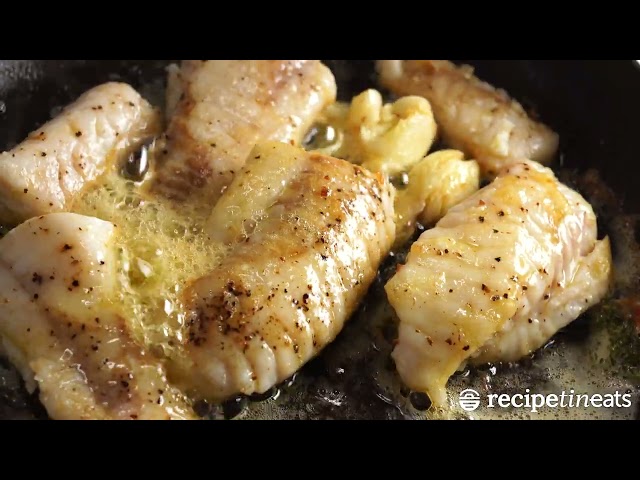
Cooking monkfish, a lean and delicate fish, requires a couple of easy steps to make sure a flavorful and tender dish. Understanding the strategies for making ready monkfish is crucial for seafood lovers and residential cooks alike.
Monkfish is thought for its gentle taste and agency texture, making it a flexible fish for numerous cooking strategies. Whether or not pan-frying, baking, or steaming, the important thing to cooking monkfish efficiently lies in understanding its distinctive traits.
This text will present a complete information on learn how to prepare dinner monkfish, protecting important strategies, suggestions, and recipe concepts that can assist you put together this scrumptious and wholesome fish at residence.
How one can Cook dinner Monkfish
Cooking monkfish requires consideration to particular key features that improve its taste and texture. These features embody numerous dimensions associated to the preparation, cooking strategies, and serving of monkfish.
- Choosing the Fish: Select recent monkfish with agency flesh and a gentle odor.
- Cleansing and Getting ready: Take away the pores and skin and bones, and lower the monkfish into desired shapes.
- Seasoning: Improve the flavour with salt, pepper, and herbs like thyme or rosemary.
- Cooking Strategies: Pan-frying, baking, and steaming are appropriate strategies for cooking monkfish.
- Temperature Management: Cook dinner the monkfish to an inner temperature of 135F (57C) for a young and flaky texture.
- Pairing Components: Complement monkfish with greens like asparagus, tomatoes, or potatoes.
- Sauce Choices: Improve the dish with sauces like lemon butter, white wine sauce, or hollandaise.
- Garnish and Presentation: Garnish the cooked monkfish with recent herbs, lemon wedges, or capers for a visually interesting presentation.
By contemplating these key features, you’ll be able to put together monkfish dishes that showcase its delicate taste and flexibility. Whether or not you like pan-seared monkfish with crispy pores and skin or steamed monkfish with a lightweight and flaky texture, understanding the nuances of cooking monkfish will elevate your culinary abilities and impress your friends.
Choosing the Fish
Choosing recent, high-quality monkfish is essential for attaining a scrumptious and profitable dish. This step units the muse for your complete cooking course of and impacts the ultimate taste, texture, and general expertise.
- Agency Flesh: Contemporary monkfish ought to have agency and elastic flesh that springs again when pressed gently. Keep away from fish with mushy or mushy flesh, as this means spoilage or poor dealing with.
- Gentle Odor: Contemporary monkfish ought to have a gentle, barely briny odor. Keep away from fish with a robust or fishy odor, as this may occasionally point out spoilage or improper storage.
- Clear Eyes: Contemporary monkfish may have clear and brilliant eyes. Keep away from fish with cloudy or sunken eyes, as this means decreased freshness.
- Shiny Pores and skin: Contemporary monkfish ought to have shiny and moist pores and skin. Keep away from fish with boring or dry pores and skin, as this may occasionally point out dehydration or poor dealing with.
By rigorously deciding on recent monkfish with agency flesh and a gentle odor, you’ll be able to make sure that your cooked dish will probably be of the very best high quality, with a fragile taste and tender texture.
Cleansing and Getting ready
Cleansing and making ready monkfish correctly is an important step within the cooking course of, making certain the removing of pores and skin, bones, and any undesirable elements. This step not solely improves the(mouthfeel) and presentation of the ultimate dish but additionally permits for extra exact and even cooking.
The pores and skin of monkfish will be powerful and rubbery if not eliminated earlier than cooking. Eradicating the pores and skin permits for a crispier and extra flavorful sear when pan-frying or grilling. Moreover, eradicating the bones ensures that the fish cooks evenly and eliminates any potential choking hazards.
Chopping the monkfish into desired shapes, akin to fillets, steaks, or cubes, can be necessary for controlling the cooking time and attaining the popular texture. For instance, thinly sliced monkfish fillets will prepare dinner extra rapidly than thick steaks, and cubes are perfect for stews or curries.
Total, correctly cleansing and making ready monkfish is an important step in maximizing its taste, texture, and cooking potential. By eradicating the pores and skin, bones, and reducing the fish into the specified shapes, you’ll be able to guarantee a profitable and gratifying monkfish dish.
Seasoning
Seasoning is an important step in cooking monkfish, because it helps improve its pure taste and create a well-rounded dish. Salt, pepper, and herbs like thyme or rosemary are important elements that contribute to each the style and aroma of the fish.
- Enhancing Taste: Salt attracts out the pure juices from the fish, enhancing its inherent taste. Pepper provides a delicate
- Including Depth: Herbs like thyme and rosemary introduce fragrant compounds that complement the fragile taste of monkfish. They add depth and complexity to the dish, making a harmonious stability of flavors.
- Balancing Sweetness: Monkfish usually pairs effectively with barely candy sauces or glazes. Seasoning with salt and pepper helps stability out the sweetness, stopping the dish from turning into overly cloying.
- Making a Crust: When pan-frying or grilling monkfish, seasoning the fish earlier than cooking helps create a flavorful crust. The salt and pepper adhere to the floor of the fish, caramelizing and including an additional layer of texture and taste.
By understanding the position of seasoning and incorporating these elements into your cooking course of, you’ll be able to elevate the flavour of your monkfish dishes and create a really memorable culinary expertise.
Cooking Strategies
The selection of cooking technique performs an important position in figuring out the ultimate texture, taste, and presentation of monkfish. Pan-frying, baking, and steaming are three versatile strategies that can be utilized to attain totally different outcomes, every with its personal benefits and concerns.
-
Pan-Frying:
Pan-frying is right for making a crispy exterior whereas sustaining a young and flaky inside. This technique is appropriate for fillets or steaks of monkfish and permits for the event of flavorful caramelization on the floor of the fish.
-
Baking:
Baking is a gentler technique that ends in evenly cooked monkfish with a moist and delicate texture. This technique is especially well-suited for complete monkfish or bigger cuts that require longer cooking instances.
-
Steaming:
Steaming preserves the pure flavors and vitamins of monkfish whereas producing a lightweight and flaky texture. This technique is right for retaining the fragile flavors of the fish and is commonly utilized in Asian delicacies.
Understanding the nuances of every cooking technique empowers you to pick probably the most applicable method on your desired end result, making certain that your monkfish dish is cooked to perfection.
Temperature Management
Reaching the perfect inner temperature is a important facet of cooking monkfish to perfection. Cooking the fish to an inner temperature of 135F (57C) ensures that the flesh turns into tender and flaky, whereas sustaining its delicate taste and stopping it from turning into overcooked and dry.
Exact temperature management is crucial as a result of:
- Tenderness: Cooking the monkfish to the proper inner temperature permits the connective tissues inside the fish to interrupt down, leading to a young and succulent texture.
- Flaky Texture: Reaching the goal temperature encourages the formation of delicate flakes, making a fascinating mouthfeel and enhancing the general consuming expertise.
- Taste: Cooking the fish to the right temperature helps protect its pure flavors and prevents it from turning into bland or overcooked.
To precisely measure the inner temperature, insert a digital meals thermometer into the thickest a part of the monkfish, making certain it doesn’t contact any bones. As soon as the specified temperature is reached, take away the fish from the warmth supply instantly to stop overcooking.
Understanding the significance of temperature management empowers you to prepare dinner monkfish with confidence, making certain that it’s cooked to perfection each time. By following this guideline, you’ll be able to obtain a young and flaky texture that may elevate your dish to a culinary masterpiece.
Pairing Components
When cooking monkfish, rigorously deciding on complementary elements elevates the dish’s general taste profile and dietary worth. Greens akin to asparagus, tomatoes, and potatoes pair exceptionally effectively with monkfish, contributing distinctive textures and flavors that improve the fragile style of the fish.
Asparagus, with its crisp texture and barely bitter notes, offers a refreshing distinction to the tender monkfish. Grilling or roasting asparagus brings out its pure sweetness, making a harmonious stability of flavors. Tomatoes, with their juicy texture and tangy acidity, introduce a vibrant ingredient to the dish. Including cherry tomatoes to a pan-seared monkfish creates a colourful and flavorful mixture. Potatoes, whether or not mashed, roasted, or fried, present a hearty and comforting base for the monkfish. Their starchy texture enhances the flaky fish, making a satisfying and well-rounded meal.
Understanding the artwork of pairing elements is crucial for making a profitable monkfish dish. By incorporating complementary greens like asparagus, tomatoes, and potatoes, you’ll be able to elevate the flavour, texture, and dietary content material of your meal. Experimenting with totally different mixtures and cooking strategies lets you discover the various culinary prospects that monkfish presents.
Sauce Choices
Sauces play a vital position in elevating the flavors of monkfish, remodeling it from a easy dish to a culinary masterpiece. The selection of sauce can complement the fragile texture of the fish whereas including richness, complexity, and a tantalizing aroma.
Lemon butter sauce, with its vibrant yellow hue and tangy citrus notes, is a basic pairing for monkfish. It provides a refreshing acidity that balances the gentle taste of the fish, making a harmonious mixture. White wine sauce, with its creamy texture and delicate wine taste, enhances the pure sweetness of the monkfish, leading to a classy and stylish dish. Hollandaise sauce, with its velvety richness and eggy undertones, offers an expensive complement to monkfish, making a decadent and indulgent culinary expertise.
Understanding the importance of sauce choices empowers you to raise your monkfish cooking abilities. By rigorously deciding on sauces that complement the fragile flavors of the fish, you’ll be able to rework your meals into memorable gastronomic experiences that may impress your friends and household alike.
Garnish and Presentation
Garnish and presentation play a big position in enhancing the general eating expertise of monkfish. A well-garnished dish not solely elevates the visible enchantment of the dish but additionally enhances the flavors and textures of the cooked monkfish.
- Visible Attraction: Garnishes add vibrant colours and textures to the dish, making it extra visually interesting and appetizing. Contemporary herbs like parsley, cilantro, or chives present a refreshing inexperienced distinction, whereas lemon wedges and capers add pops of yellow and purple.
- Taste Enhancement: Garnishes can improve the flavour profile of the dish. Lemon wedges present a burst of citrusy acidity that balances the richness of the fish, whereas capers add a salty and tangy contact. Contemporary herbs like thyme or rosemary introduce fragrant notes that complement the fragile taste of monkfish.
- Texture Distinction: Garnishes introduce totally different textures to the dish, making a extra dynamic and attention-grabbing consuming expertise. Crispy fried capers or toasted nuts add a crunchy ingredient, whereas recent herbs present a mushy and delicate distinction to the flaky texture of the fish.
- Ending Contact: Garnishes function a completion to the dish, demonstrating consideration to element and culinary finesse. A sprinkle of recent herbs or a drizzle of olive oil can elevate the presentation and create a visually gorgeous dish that’s certain to impress friends.
Understanding the significance of garnish and presentation lets you rework your monkfish dishes into culinary masterpieces. By incorporating these parts into your cooking, you’ll be able to create visually interesting and flavorful meals that may go away an enduring impression in your diners.
FAQs about Cooking Monkfish
This part addresses incessantly requested questions on cooking monkfish, offering concise and informative solutions to information you thru the method.
Query 1: How do I choose one of the best monkfish?
When deciding on monkfish, search for agency flesh that springs again when pressed. Keep away from fish with mushy or mushy flesh, as this may occasionally point out spoilage. Contemporary monkfish ought to have a gentle, barely briny odor. Keep away from fish with a robust or fishy odor, as this may occasionally point out spoilage or improper storage.
Query 2: How do I correctly clear and put together monkfish?
To wash monkfish, take away the pores and skin and bones. To take away the pores and skin, make a shallow lower alongside the highest of the fish and thoroughly pull the pores and skin away from the flesh. To take away the bones, use a pointy knife to chop alongside the spine and take away the fillets. Reduce the fillets into desired shapes on your recipe.
Query 3: What are one of the best cooking strategies for monkfish?
Monkfish will be cooked utilizing numerous strategies, together with pan-frying, baking, and steaming. Pan-frying is appropriate for fillets or steaks and creates a crispy exterior whereas sustaining a young inside. Baking is right for complete monkfish or bigger cuts and ends in evenly cooked fish with a moist texture. Steaming preserves the pure flavors and vitamins of monkfish and is commonly utilized in Asian delicacies.
Query 4: How do I obtain the proper inner temperature for cooked monkfish?
For tender and flaky monkfish, prepare dinner it to an inner temperature of 135 levels Fahrenheit (57 levels Celsius). Use a digital meals thermometer to precisely measure the inner temperature by inserting it into the thickest a part of the fish with out touching any bones.
Query 5: What are some complementary elements that pair effectively with monkfish?
Greens akin to asparagus, tomatoes, and potatoes complement monkfish effectively. Asparagus offers a refreshing distinction with its crisp texture and barely bitter notes. Tomatoes add a vibrant tangy acidity, whereas potatoes supply a hearty and comforting base.
Query 6: How can I improve the flavors of my monkfish dish?
Sauces like lemon butter, white wine sauce, or hollandaise can elevate the flavors of monkfish. Lemon butter sauce provides a tangy citrus be aware, white wine sauce enhances the pure sweetness of the fish, and hollandaise sauce offers a wealthy and opulent complement.
By understanding these key features of cooking monkfish, you’ll be able to put together scrumptious and flavorful dishes that showcase the distinctive qualities of this versatile fish.
Proceed studying to discover extra detailed details about cooking monkfish, together with suggestions, recipe concepts, and cooking strategies.
Ideas for Cooking Monkfish
Cooking monkfish requires consideration to element and an understanding of its distinctive texture and taste. Listed below are 5 important suggestions that can assist you put together scrumptious and spectacular monkfish dishes:
Tip 1: Select the proper fish. Contemporary monkfish ought to have agency flesh that springs again when pressed and a gentle, briny odor. Keep away from fish with mushy flesh or a robust fishy odor, as these could point out spoilage.
Tip 2: Clear and put together the fish correctly. Take away the pores and skin and bones from the monkfish earlier than cooking. To take away the pores and skin, make a shallow lower alongside the highest of the fish and thoroughly pull it away from the flesh. To take away the bones, use a pointy knife to chop alongside the spine and take away the fillets.
Tip 3: Cook dinner the fish to the proper inner temperature. For tender and flaky monkfish, prepare dinner it to an inner temperature of 135 levels Fahrenheit (57 levels Celsius). Use a digital meals thermometer to precisely measure the inner temperature by inserting it into the thickest a part of the fish with out touching any bones.
Tip 4: Use complementary elements. Greens akin to asparagus, tomatoes, and potatoes complement monkfish effectively. Asparagus offers a refreshing distinction with its crisp texture and barely bitter notes. Tomatoes add a vibrant tangy acidity, whereas potatoes supply a hearty and comforting base.
Tip 5: Improve the flavors. Sauces like lemon butter, white wine sauce, or hollandaise can elevate the flavors of monkfish. Lemon butter sauce provides a tangy citrus be aware, white wine sauce enhances the pure sweetness of the fish, and hollandaise sauce offers a wealthy and opulent complement.
By following the following tips, you’ll be able to put together scrumptious and flavorful monkfish dishes that showcase the distinctive qualities of this versatile fish.
Glad cooking!
Conclusion
Cooking monkfish is a culinary journey that invitations exploration and experimentation. This text has delved into the intricacies of making ready monkfish, providing a complete information to deciding on, cleansing, and cooking this versatile fish. Whether or not you like the crispy indulgence of pan-frying, the tender embrace of baking, or the fragile flavors of steaming, understanding the nuances of every cooking technique empowers you to create delectable dishes.
Bear in mind, the important thing to profitable monkfish cookery lies in respecting its distinctive texture and delicate taste. By rigorously controlling the cooking temperature, incorporating complementary elements, and enhancing the flavors with sauces, you’ll be able to rework monkfish right into a culinary masterpiece. Embrace the culinary journey and uncover the infinite prospects that await you within the realm of monkfish cookery.
Youtube Video: