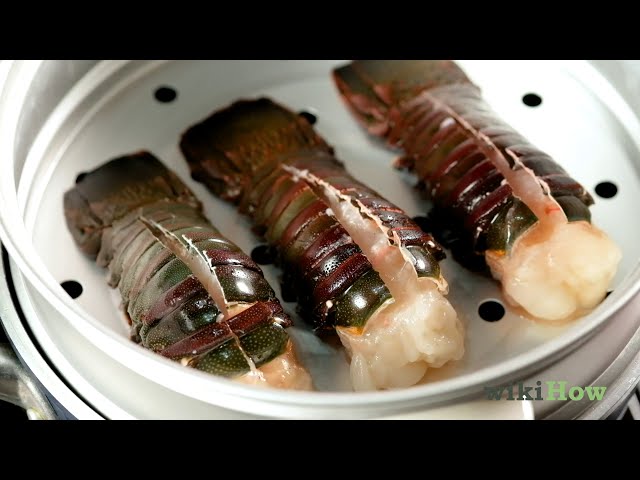
Cooking a lobster tail is a culinary artwork that entails getting ready and cooking the tail of a lobster, sometimes severed from the physique. It is a delicacy loved for its succulent and tender meat, usually served as a essential course or as a part of a seafood platter.
Correctly cooking a lobster tail requires consideration to element and an understanding of the fragile nature of the meat. Varied cooking strategies may be employed, together with steaming, boiling, grilling, and baking, every imparting a novel taste and texture to the lobster tail. Steaming preserves the pure sweetness of the meat, whereas boiling provides a contact of briny taste. Grilling imparts a smoky aroma and a barely charred exterior, and baking presents a extra evenly cooked consequence.
Whatever the chosen technique, it is essential to prepare dinner the lobster tail to the optimum temperature to attain the specified texture and taste. Overcooking may end up in robust and rubbery meat, whereas undercooking could depart the meat uncooked and unsafe for consumption. Understanding the inner temperature of the lobster tail utilizing a meat thermometer is important to make sure correct doneness. Moreover, basting the lobster tail with melted butter or flavorful sauces throughout cooking enhances its style and prevents it from drying out.
Learn how to Prepare dinner a Lobster Tail
Cooking a lobster tail entails a number of important elements that contribute to the general success of the dish. These key issues vary from choosing the appropriate lobster tail to using the suitable cooking strategies and understanding the nuances of doneness.
- Choice: Selecting a recent, high-quality lobster tail is paramount.
- Thawing: Correctly thawing a frozen lobster tail ensures even cooking.
- Cleansing: Eradicating the lobster tail from its shell permits for simpler preparation.
- Seasoning: Enhancing the pure taste of the lobster tail with salt, pepper, and herbs.
- Cooking technique: Steaming, boiling, grilling, or baking, every technique yields distinctive outcomes.
- Temperature: Utilizing a meat thermometer to attain the optimum inner temperature is essential.
- Basting: Including moisture and taste by basting the lobster tail with butter or sauces.
- Doneness: Recognizing the indicators of a superbly cooked lobster tail, avoiding over or undercooking.
- Presentation: Plating the lobster tail elegantly enhances its visible enchantment.
- Accompaniments: Pairing the lobster tail with complementary sides and sauces elevates the eating expertise.
These elements are interconnected and equally essential in reaching a tasty lobster tail dish. Understanding and mastering these components empowers house cooks and culinary professionals alike to constantly ship an distinctive seafood expertise.
Choice
Within the culinary realm, the choice of premium substances serves because the cornerstone for distinctive dishes. This precept holds true for crafting a tasty lobster tail, the place selecting a recent, high-quality specimen is paramount. A primary lobster tail boasts a agency texture, a vibrant coloration, and a nice briny aroma. These attributes signify a lobster that was harvested on the peak of its freshness, guaranteeing an optimum consuming expertise.
The standard of the lobster tail immediately influences the result of the cooking course of. A recent tail will yield tender, succulent meat that absorbs flavors and cooks evenly. Conversely, a subpar tail could lead to a troublesome, chewy texture and an unappetizing taste. Due to this fact, discerning people prioritize choosing a lobster tail that meets the very best requirements of freshness and high quality.
Past the gustatory expertise, choosing a recent lobster tail additionally aligns with moral and sustainable practices. By choosing high-quality seafood, customers assist accountable fishing strategies that protect marine ecosystems for future generations. This aware method underscores the interconnectedness between culinary selections and the well-being of our planet.
Thawing
Within the culinary world, precision and a spotlight to element are important for reaching optimum outcomes. With regards to cooking a lobster tail, the method of thawing performs an important position in guaranteeing an evenly cooked and succulent dish. Correctly thawing a frozen lobster tail permits for constant warmth distribution all through the meat throughout cooking, leading to a young and flavorful expertise.
When a lobster tail is frozen, ice crystals type throughout the muscle fibers. If cooked on this frozen state, these ice crystals can create pockets of inconsistently cooked meat. Thawing the lobster tail previous to cooking permits these ice crystals to soften, guaranteeing that the warmth can penetrate the meat evenly. This ends in a lobster tail that’s cooked to perfection all through, with none chilly or undercooked spots.
The right thawing method is equally essential. Speedy thawing strategies, equivalent to microwaving or submerging the lobster tail in scorching water, can injury the fragile muscle fibers and lead to a troublesome texture. The popular technique is to thaw the lobster tail progressively within the fridge in a single day. This enables the ice crystals to soften slowly and evenly, preserving the integrity of the meat.
Understanding the significance of correct thawing is important for mastering the artwork of cooking a lobster tail. By following this important step, house cooks and culinary professionals alike can elevate their dishes to new heights, guaranteeing a tasty and evenly cooked lobster tail each time.
Cleansing
Within the culinary realm, meticulous preparation is paramount to reaching culinary excellence. With regards to cooking a lobster tail, the duty of cleansing, which entails eradicating the tail from its shell, assumes nice significance. This seemingly easy step lays the inspiration for a profitable cooking expertise, enabling a spread of culinary strategies and enhancing the general high quality of the ultimate dish.
- Comfort and effectivity: Eradicating the lobster tail from its shell significantly simplifies subsequent preparation steps. The uncovered meat permits for simpler seasoning, marinating, and cooking, guaranteeing that flavors penetrate deeply and evenly.
- Enhanced cooking strategies: With the shell eliminated, a wider array of cooking strategies turns into accessible. Grilling, sauting, and baking may be employed to attain various textures and flavors, broadening the culinary potentialities and permitting for tailor-made preparations.
- Improved presentation: A cleaned lobster tail lends itself to elegant and visually interesting shows. Eradicating the shell permits for inventive plating and garnishing, elevating the dish to a restaurant-quality aesthetic.
- Hygienic issues: Eradicating the shell facilitates thorough cleansing and the elimination of any impurities or particles that could be current on the floor. This promotes meals security and hygiene, guaranteeing a healthful and gratifying culinary expertise.
In conclusion, the act of cleansing a lobster tail, whereas seemingly primary, is integral to the artwork of cooking a tasty and visually gorgeous dish. It opens up a world of culinary potentialities, enhances the cooking course of, and contributes to the general high quality and presentation of the ultimate product.
Seasoning
Within the culinary realm, the artwork of seasoning performs a pivotal position in elevating the pure flavors of, reworking easy dishes into extraordinary. When cooking a lobster tail, the considered use of salt, pepper, and herbs not solely enhances its inherent sweetness but additionally provides complexity and depth of taste.
- Enhancing Pure Sweetness: Salt acts as a, drawing out the lobster tail’s pure sweetness and balancing its briny undertones. By enhancing the inherent flavors, salt permits the lobster tail’s delicate style to shine by means of.
- Balancing Flavors: Pepper provides a contact of, making a harmonious stability with the lobster tail’s sweetness. Its delicate warmth enhances the fragile taste of the meat with out overpowering it, making a well-rounded style profile.
- Including Fragrant Depth: Herbs, equivalent to parsley, thyme, or chives, introduce fragrant notes that improve the general taste profile. These herbs complement the lobster tail’s pure flavors, including freshness and complexity to the dish.
- Complementing Cooking Strategies: Seasoning adapts to varied cooking strategies, whether or not steaming, boiling, grilling, or baking. Every technique imparts distinctive flavors, and seasoning enhances these flavors, guaranteeing a cohesive and flavorful expertise whatever the cooking method.
In conclusion, seasoning is a vital facet of cooking a lobster tail, elevating its pure flavors and making a symphony of style. By understanding the position of salt, pepper, and herbs, and their interaction with totally different cooking strategies, culinary fans can rework a easy lobster tail into a tasty delicacy.
Cooking technique
Cooking a lobster tail entails choosing probably the most appropriate cooking technique to attain the specified texture, taste, and presentation. The selection of technique relies on private preferences, accessible assets, and the meant culinary final result.
Steaming is a mild cooking technique that preserves the fragile taste and texture of the lobster tail. It ends in a moist and succulent dish with a pure sweetness. Boiling, however, infuses the lobster tail with a extra pronounced briny taste. This technique is good for making a basic boiled lobster expertise.
Grilling provides a smoky and charred taste to the lobster tail. This technique is appropriate for individuals who take pleasure in a sturdy and flavorful seafood dish. Baking is one other versatile technique that permits for numerous seasonings and taste mixtures. It produces a young and evenly cooked lobster tail.
Understanding the distinctive outcomes of every cooking technique is important for choosing probably the most applicable method for the specified final result. Experimenting with totally different strategies permits house cooks and culinary professionals to discover a spread of flavors and textures, enhancing their culinary repertoire and impressing their visitors with delectable lobster tail dishes.
Temperature
Within the culinary world, precision and accuracy are paramount to make sure the proper execution of any dish. When cooking a lobster tail, reaching the optimum inner temperature is of utmost significance, and utilizing a meat thermometer is probably the most dependable technique to gauge doneness.
The interior temperature of a lobster tail immediately correlates to its texture and high quality. Undercooked lobster meat may be robust and chewy, whereas overcooked meat turns into rubbery and loses its delicate taste. Utilizing a meat thermometer ensures that the lobster tail is cooked to the specified diploma of doneness, leading to a succulent and flavorful dish.
For example, a superbly cooked lobster tail ought to have an inner temperature of round 135-140F (57-60C) when measured within the thickest a part of the tail. At this temperature, the meat might be opaque, agency, and barely springy to the contact.
Understanding the importance of temperature in cooking a lobster tail empowers people to constantly obtain distinctive outcomes. It eliminates guesswork and ensures that the lobster tail is cooked evenly all through, maximizing its taste and texture.
Basting
Basting is a vital method within the culinary artwork of cooking a lobster tail. It entails periodically brushing or pouring a flavorful liquid, sometimes melted butter or a savory sauce, over the lobster tail through the cooking course of. This system serves a number of functions, enhancing the general high quality and style of the dish.
- Moisturization: Basting retains the lobster tail moist and succulent. Because the lobster tail cooks, its pure juices can evaporate, resulting in dryness. Basting replenishes these juices, guaranteeing that the meat stays tender and flavorful all through the cooking course of.
- Taste Enhancement: The melted butter or sauce used for basting infuses the lobster tail with further flavors. Butter provides a wealthy, buttery style that enhances the pure sweetness of the lobster meat. Sauces, equivalent to lemon-herb sauce or garlic butter, can introduce quite a lot of fragrant and savory flavors, enhancing the general style profile.
- Even Cooking: Basting helps to advertise even cooking by distributing warmth extra evenly over the floor of the lobster tail. This prevents sure areas from overcooking whereas others stay undercooked, leading to a constantly cooked and tender lobster tail.
- Golden-Brown End: When basting with butter, the sugars within the butter caramelize on the floor of the lobster tail, creating a phenomenal golden-brown end. This provides an interesting visible ingredient to the dish and enhances its general presentation.
In conclusion, basting is a vital method in cooking a lobster tail because it provides moisture, taste, and promotes even cooking. By incorporating basting into the cooking course of, house cooks and culinary professionals can elevate their lobster tail dishes to new heights of style and presentation.
Doneness
Reaching the proper doneness is a vital facet of cooking a lobster tail, because it immediately impacts the feel, taste, and general high quality of the dish. Recognizing the indicators of a superbly cooked lobster tail requires a mixture of data, expertise, and a spotlight to element.
Undercooked lobster meat may be robust and chewy, compromising the fragile texture and taste of the tail. Overcooked lobster meat, however, turns into rubbery and loses its pure sweetness. Due to this fact, it’s important to prepare dinner the lobster tail to the optimum inner temperature, which is often between 135-140 levels Fahrenheit (57-60 levels Celsius) when measured within the thickest a part of the tail.
A number of strategies can be utilized to find out the doneness of a lobster tail, together with utilizing a meat thermometer, observing the colour and texture of the meat, and performing a mild squeeze check. Utilizing a meat thermometer is probably the most correct technique, because it supplies a exact measurement of the inner temperature. The colour of the meat must also be taken into consideration; cooked lobster meat is opaque and white, whereas undercooked meat is translucent. Moreover, a mild squeeze check can present some indication of doneness; cooked lobster meat ought to really feel agency to the contact however not exhausting.
Understanding the indicators of a superbly cooked lobster tail is important for reaching constant and scrumptious outcomes. By rigorously monitoring the cooking course of and utilizing the suitable strategies, house cooks and culinary professionals can be sure that their lobster tails are cooked to perfection, delivering a tasty and satisfying eating expertise.
Presentation
Within the culinary arts, presentation performs a pivotal position in elevating a dish past mere sustenance to the realm of an aesthetic masterpiece. That is significantly true within the case of cooking a lobster tail, the place meticulous consideration to plating strategies can rework a scrumptious meal right into a visually gorgeous murals.
The visible enchantment of a lobster tail is undeniably vital. When artfully organized on a plate, it captures the diner’s consideration, creating a direct and constructive impression. A well-plated lobster tail stimulates the urge for food, enhancing the general eating expertise.
Furthermore, presentation serves a sensible function. By rigorously positioning the lobster tail and its accompaniments, the chef can information the diner’s eye to understand the dish’s key components. This considerate association not solely enhances the visible enchantment but additionally creates a harmonious stability on the plate.
Moreover, elegant plating strategies can elevate the perceived worth of the dish. When a lobster tail is offered with care and creativity, it conveys a way of luxurious and class. This, in flip, can improve the diner’s notion of the meal’s high quality and value.
In conclusion, the artwork of plating is an integral facet of cooking a lobster tail. By understanding the connection between presentation and visible enchantment, cooks and residential cooks alike can rework a easy dish into a rare culinary expertise.
Accompaniments
The inclusion of rigorously chosen accompaniments performs an important position in elevating the general eating expertise when cooking a lobster tail. These accompaniments not solely complement the fragile taste of the lobster but additionally improve its visible enchantment and supply a well-rounded meal.
When choosing sides to pair with lobster tail, contemplate choices that present contrasting textures and flavors. Roasted greens, equivalent to asparagus, broccoli, or carrots, provide a colourful and crunchy accompaniment to the tender lobster meat. Mashed potatoes or rice present a creamy and starchy base that absorbs the flavorful juices from the lobster and any accompanying sauces.
Sauces are one other important ingredient in enhancing the lobster tail’s style and presentation. A basic drawn butter sauce, made with melted butter, lemon juice, and recent herbs, is a flexible accompaniment that provides richness and brightness to the lobster meat. Garlic butter sauce, with its fragrant and savory flavors, is one other in style alternative that enhances the lobster’s pure sweetness. For a extra indulgent expertise, contemplate a creamy scampi sauce or a flavorful thermidor sauce.
Understanding the artwork of pairing accompaniments with a lobster tail permits house cooks and culinary professionals to create a cohesive and memorable eating expertise. By rigorously contemplating the flavors, textures, and visible enchantment of the accompaniments, they’ll elevate the lobster tail dish to new heights of culinary excellence.
Ceaselessly Requested Questions
This part addresses frequent questions and misconceptions surrounding the subject of “the right way to prepare dinner a lobster tail.”
Query 1: What’s the optimum cooking temperature for a lobster tail?
Reply: The best inner temperature for a superbly cooked lobster tail is between 135-140 levels Fahrenheit (57-60 levels Celsius) when measured within the thickest a part of the tail.
Query 2: Can I prepare dinner a lobster tail from frozen?
Reply: Sure, cooking a lobster tail from frozen is feasible, but it surely requires an extended cooking time. Thaw the lobster tail within the fridge in a single day earlier than cooking to make sure even cooking.
Query 3: What’s the finest cooking technique for a lobster tail?
Reply: The selection of cooking technique relies on private desire and desired final result. Steaming preserves the fragile taste, boiling infuses a briny style, grilling provides a smoky taste, and baking supplies even cooking.
Query 4: How do I stop my lobster tail from overcooking?
Reply: Use a meat thermometer to watch the inner temperature and take away the lobster tail from the warmth as soon as it reaches the specified temperature.
Query 5: What are some basic sauces to serve with a lobster tail?
Reply: Drawn butter sauce, garlic butter sauce, scampi sauce, and thermidor sauce are in style accompaniments that improve the flavour of the lobster tail.
Query 6: How can I inform if a lobster tail is recent?
Reply: Search for a lobster tail with a agency texture, vibrant coloration, and a nice briny aroma. Keep away from lobster tails with a slimy texture or an off-putting odor.
These often requested questions present helpful insights and steering on cooking a lobster tail, empowering house cooks and culinary professionals to attain scrumptious and satisfying outcomes.
Transition to the following article part: [Insert transition statement here]
Suggestions for Cooking a Lobster Tail
Elevate your culinary abilities with these important ideas for cooking a lobster tail to perfection.
Tip 1: Select a Recent Lobster Tail
The standard of the lobster tail immediately impacts the ultimate dish. Go for a lobster tail with a agency texture, vibrant coloration, and a nice briny aroma. Keep away from lobster tails with a slimy texture or an off-putting odor.
Tip 2: Thaw Correctly
If utilizing a frozen lobster tail, thaw it progressively within the fridge in a single day. Speedy thawing strategies can injury the fragile muscle fibers, leading to a troublesome texture. Correct thawing ensures even cooking.
Tip 3: Take away the Shell
Eradicating the lobster tail from its shell simplifies preparation and permits for a spread of cooking strategies. Use kitchen shears or a pointy knife to rigorously lower alongside the underside of the tail, exposing the meat.
Tip 4: Season Generously
Improve the pure taste of the lobster tail with salt, pepper, and herbs. Salt attracts out the sweetness, pepper provides a contact of spice, and herbs like parsley or thyme introduce fragrant depth.
Tip 5: Prepare dinner to Perfection
The best inner temperature for a cooked lobster tail is between 135-140 levels Fahrenheit (57-60 levels Celsius). Use a meat thermometer to make sure correct cooking and stop over or undercooking.
Tip 6: Baste Often
Basting the lobster tail with melted butter or flavorful sauces retains it moist and provides further taste. Basting additionally promotes even cooking and creates a phenomenal golden-brown end.
Tip 7: Plate Elegantly
The presentation of a lobster tail can elevate the eating expertise. Organize the lobster tail on a plate with complementary sides and sauces, making a visually interesting and well-balanced meal.
Conclusion
Mastering the following pointers will empower you to prepare dinner a succulent and flavorful lobster tail that impresses your visitors and satisfies your style buds. Keep in mind, consideration to element and a ardour for culinary excellence are key to creating an distinctive lobster tail dish.
Conclusion
This complete exploration of “the right way to prepare dinner a lobster tail” has illuminated the intricacies of getting ready this culinary delicacy. From choosing a recent tail and correct thawing strategies to understanding the nuances of seasoning, cooking strategies, and doneness, every step performs an important position in reaching a succulent and flavorful consequence.
Cooking a lobster tail will not be merely a culinary process however an artwork type that requires precision, consideration to element, and a deep appreciation for the inherent qualities of this distinctive seafood. By mastering the strategies outlined on this article, house cooks and culinary professionals alike can constantly ship lobster tail dishes that tantalize style buds and create lasting recollections across the dinner desk.
Youtube Video: