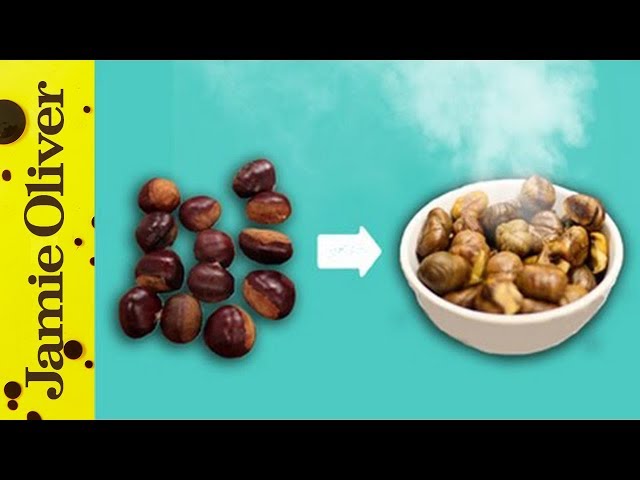
Cooking Chestnuts: A Culinary Information
Chestnuts, with their wealthy, nutty taste and versatile culinary purposes, have been a cherished delicacy for hundreds of years. These edible nuts, encased in a protecting spiky shell, demand correct preparation to unlock their culinary potential. This complete information will delve into the artwork of cooking chestnuts, exploring methods, strategies, and suggestions to make sure profitable outcomes. From roasting to boiling and past, we are going to uncover the secrets and techniques to unlocking the delectable flavors of this autumnal deal with.
Embarking on a Culinary Journey with Chestnuts
Cooking Chestnuts
The artwork of cooking chestnuts encompasses varied elementary elements, every contributing to the profitable preparation of this delectable nut. These core components, meticulously explored under, present a complete understanding of the culinary methods concerned in reworking chestnuts into a pleasant deal with:
- Scoring: The preliminary step, creating incisions within the chestnut’s shell, ensures even cooking and prevents bursting.
- Roasting: A basic technique, roasting chestnuts in an oven or over an open fireplace imparts a smoky, caramelized taste.
- Boiling: An alternate approach, boiling chestnuts softens them for simpler peeling and additional culinary purposes.
- Steaming: A delicate method, steaming preserves the chestnuts’ delicate texture whereas cooking them totally.
- Microwaving: For fast and handy preparation, microwaving chestnuts affords a time-saving answer.
- Peeling: As soon as cooked, promptly peeling the chestnuts whereas heat ensures easy elimination of the(shibukawa), the skinny, tannin-rich pores and skin.
- Storage: Correct storage is essential to keep up the freshness and high quality of cooked chestnuts.
- Culinary Functions: Chestnuts’ versatility shines in varied culinary creations, from stuffing to soups and desserts.
These elementary elements function a roadmap for profitable chestnut preparation. Whether or not embracing conventional roasting strategies or exploring modern methods, understanding these components empowers house cooks and culinary fans to unlock the complete taste and flexibility of this autumnal deal with.
Scoring
Within the artwork of cooking chestnuts, the preliminary step of scoring holds immense significance, instantly impacting the general success of the method. Scoring, which includes creating incisions within the chestnut’s shell, serves two vital functions:
- Guaranteeing Even Cooking: By scoring the chestnut’s shell, steam can escape throughout cooking, permitting for even distribution of warmth all through the nut. This prevents the chestnut from cooking erratically, leading to a wonderfully cooked delicacy.
- Stopping Bursting: The enlargement of steam throughout cooking could cause unscored chestnuts to burst open, doubtlessly resulting in uneven cooking and lack of priceless vitamins. Scoring offers a managed launch of steam, stopping this from taking place and making certain that the chestnut retains its form and integrity.
Understanding the significance of scoring in chestnut preparation empowers house cooks and culinary fans to attain constant and profitable outcomes. By embracing this important step, they’ll harness the complete potential of chestnuts, unlocking their wealthy, nutty taste and flexibility in varied culinary creations.
Roasting
Roasting, a basic technique within the culinary realm, performs a pivotal function within the artwork of cooking chestnuts. This system, whether or not executed in an oven’s embrace or over an open fireplace’s dance, bestows upon chestnuts a symphony of flavors, notably a smoky, caramelized symphony that elevates their style profile.
The essence of roasting lies in its potential to coax out the inherent sweetness of chestnuts whereas concurrently imparting a fascinating smoky nuance. This transformation happens because the chestnuts caramelize underneath the oven’s warmth or the open fireplace’s embrace. The result’s a tasty deal with that tantalizes the style buds with its alluring mix of flavors.
Past its influence on taste, roasting additionally contributes to the chestnuts’ texture. The warmth of the oven or open fireplace gently coaxes the chestnuts to shed their moisture, leading to a pleasant textural distinction between the crisp exterior and the mushy, yielding inside. This interaction of textures provides one other layer of sensory pleasure to the chestnut-eating expertise.
Incorporating the roasting approach into the “the right way to cook dinner chestnuts” repertoire is important for a number of causes. Firstly, roasting unlocks the complete taste potential of chestnuts, reworking them from easy nuts into culinary gems. Secondly, roasting contributes to the event of a fascinating textural distinction, enhancing the general consuming expertise. Thirdly, roasting is a comparatively easy and accessible approach that may be effortlessly executed in most house kitchens or outside settings.
By embracing the artwork of roasting, house cooks and culinary fans can elevate their chestnut preparations to new heights, creating dishes that showcase the flexibility and deliciousness of this autumnal deal with.
Boiling
Within the culinary repertoire of chestnut preparation, boiling emerges as a flexible and efficient various to roasting. This system includes submerging chestnuts in boiling water, a course of that imparts distinct benefits, notably by way of texture and culinary purposes.
- Softening for Simpler Peeling: Boiling chestnuts considerably softens their texture, making them simpler to peel. The warmth and moisture of the boiling water penetrate the chestnut’s shell, loosening the pores and skin and facilitating easy elimination.
- Preparation for Additional Culinary Functions: Boiled chestnuts possess a pliable texture that lends itself properly to numerous culinary purposes. They are often simply mashed, pureed, or included into stuffings, soups, and desserts, including a nutty richness and depth of taste.
- Time Effectivity: In comparison with roasting, boiling chestnuts requires a shorter cooking time, making it a extra time-efficient possibility, particularly when coping with bigger portions.
- Preservation of Vitamins: Boiling chestnuts is a gentler cooking technique in comparison with roasting, which helps protect extra of the chestnuts’ inherent vitamins, corresponding to nutritional vitamins and minerals.
Understanding the advantages of boiling as a method for cooking chestnuts empowers house cooks and culinary fans to broaden their repertoire and confidently navigate varied chestnut-based culinary creations. By embracing this various technique, they’ll unlock the flexibility of chestnuts, incorporating them right into a wider vary of dishes and delighting their style buds with the distinctive flavors and textures this autumnal deal with affords.
Steaming
Inside the culinary panorama of chestnut preparation, steaming stands out as a mild and efficient approach that adeptly preserves the fragile texture of those autumnal treats whereas making certain thorough cooking. In contrast to roasting or boiling, steaming includes exposing chestnuts to moist warmth, a technique that gives a number of distinct benefits:
- Preserving Delicate Texture: Steaming’s light nature permits chestnuts to retain their delicate texture, stopping the toughening that may happen with different cooking strategies. The moist warmth of the steam penetrates the chestnuts evenly, softening them with out compromising their inherent construction.
- Enhanced Taste and Vitamins: Steaming helps protect the chestnuts’ pure flavors and vitamins. In contrast to boiling, which may leach vitamins into the water, steaming permits the chestnuts to retain their inherent goodness, leading to a extra flavorful and nutritious delicacy.
- Versatile Culinary Functions: Steamed chestnuts possess a flexible texture that lends itself properly to numerous culinary purposes. They are often simply mashed, pureed, or sliced, making them a flexible ingredient for soups, salads, stuffings, and desserts.
Incorporating the steaming approach into the “the right way to cook dinner chestnuts” repertoire empowers house cooks and culinary fans to broaden their culinary horizons. By embracing this light method, they’ll unlock the complete potential of chestnuts, creating dishes that showcase the fragile texture and nuanced flavors of this versatile ingredient.
Microwaving
Within the culinary realm of chestnut preparation, microwaving emerges as a handy and time-efficient approach, providing a sensible answer to the duty of cooking chestnuts. This technique leverages the facility of electromagnetic waves to warmth chestnuts rapidly and evenly, considerably lowering cooking time in comparison with conventional strategies like roasting or boiling.
The first benefit of microwaving chestnuts lies in its velocity and comfort. In contrast to different strategies that require prolonged cooking occasions, microwaving can cook dinner chestnuts in a matter of minutes, making it a perfect selection for busy people or these looking for a fast and easy meal preparation answer.
Moreover, microwaving chestnuts affords higher management over the cooking course of, permitting house cooks and culinary fans to regulate the cooking time and energy stage to attain their desired doneness. This stage of management ensures that chestnuts are cooked to perfection, retaining their delicate texture and avoiding overcooking.
Incorporating the microwave approach into the “the right way to cook dinner chestnuts” repertoire offers a priceless addition to the culinary skillset. By embracing this time-saving and handy method, house cooks can unlock the flexibility of chestnuts, incorporating them into varied dishes and delighting their style buds with the distinctive flavors and textures this autumnal deal with affords.
Peeling
Within the artwork of cooking chestnuts, peeling emerges as an important step that considerably impacts the general culinary expertise. Promptly peeling the chestnuts whereas they’re nonetheless heat performs a pivotal function in making certain easy elimination of the(shibukawa), the skinny, tannin-rich pores and skin that envelops the chestnut’s edible inside.
Thecontains tannins, compounds identified for his or her astringent and barely bitter style. These tannins can impart an undesirable bitterness to the chestnuts if not eliminated promptly. Peeling the chestnuts whereas heat permits theto be simply separated from the chestnut’s flesh, stopping the tannins from leaching into the nut and affecting its taste.
Furthermore, peeling the chestnuts whereas heat makes the method a lot simpler and fewer time-consuming. The warmth from the cooking course of softens the, making it extra pliable and fewer prone to tear or stick with the chestnut’s flesh. Trying to peel chilly chestnuts can lead to thebreaking into smaller items, making it tougher to take away fully and doubtlessly forsaking an disagreeable bitterness.
Understanding the significance of peeling chestnuts promptly whereas heat empowers house cooks and culinary fans to attain optimum leads to their chestnut preparations. By incorporating this system into their cooking repertoire, they’ll elevate the flavour and texture of their chestnut-based dishes, making certain that the fragile, nutty taste of the chestnuts shines via with none undesirable bitterness.
Storage
Within the culinary realm, correct storage performs a pivotal function in sustaining the freshness and high quality of cooked chestnuts. Understanding the connection between storage and the general means of “the right way to cook dinner chestnuts” is important for house cooks and culinary fans to attain optimum leads to their chestnut preparations.
Cooked chestnuts are extremely perishable and may rapidly lose their delectable taste and texture if not saved correctly. The important thing to profitable storage lies in controlling the environmental situations that may adversely have an effect on the chestnuts’ high quality. Components corresponding to temperature, humidity, and publicity to air can considerably influence their shelf life and general edibility.
Storing cooked chestnuts in hermetic containers at low temperatures is essential to stop spoilage and protect their freshness. Refrigeration is the popular technique, because it slows down enzymatic reactions and microbial development. Cooked chestnuts will be refrigerated for as much as 5 days, sustaining their taste and texture.
For longer storage, freezing cooked chestnuts is a viable possibility. Freezing temperatures successfully halt enzymatic exercise and microbial development, permitting chestnuts to be saved for a number of months with out compromising their high quality. When prepared to make use of, frozen chestnuts will be thawed within the fridge or at room temperature.
Understanding the significance of correct storage empowers people to protect the standard of their cooked chestnuts, making certain that their culinary creations showcase the chestnuts’ optimum taste and texture. By incorporating efficient storage methods into their cooking repertoire, house cooks and culinary fans can confidently navigate the method of “the right way to cook dinner chestnuts” and delight their style buds with the flexibility and deliciousness this autumnal deal with affords.
Culinary Functions
Within the culinary realm, understanding the varied culinary purposes of chestnuts is paramount to mastering the artwork of “the right way to cook dinner chestnuts.” Chestnuts’ versatility extends far past easy roasting, as they are often included right into a myriad of culinary creations, every showcasing their distinctive taste and texture.
One notable software lies within the preparation of stuffing, a basic accompaniment to poultry and different roasted meats. Floor chestnuts add a nutty richness and depth of taste to the stuffing, complementing the savory flavors of the primary course. Moreover, chestnuts can elevate soups and stews, including a comforting and rustic contact. Their pure sweetness balances the savory components of the broth, making a harmonious symphony of flavors.
Within the realm of desserts, chestnuts shine as a tasty ingredient in each candy and savory preparations. Chestnut puree can be utilized to create velvety easy muffins, tarts, and pastries, providing a decadent and nutty taste profile. Alternatively, complete chestnuts will be candied or glazed, reworking them into a pleasant deal with that may be loved on their very own or paired with different desserts.
Understanding the culinary purposes of chestnuts empowers house cooks and culinary fans to unlock the complete potential of this versatile ingredient. By incorporating chestnuts into varied dishes, they’ll create a various vary of culinary experiences, from savory primary programs to indulgent desserts. Embracing the flexibility of chestnuts elevates the method of “the right way to cook dinner chestnuts” from a easy culinary activity to an artwork type, permitting people to showcase their creativity and delight their style buds with the infinite prospects this autumnal deal with affords.
Steadily Requested Questions on Cooking Chestnuts
To offer complete steering on “the right way to cook dinner chestnuts,” addressing often requested questions is important. This part goals to make clear widespread considerations and misconceptions, empowering people to navigate the cooking course of with confidence.
Query 1: What’s the finest technique for cooking chestnuts?
The selection of cooking technique will depend on the specified consequence. Roasting yields a smoky taste and caramelized exterior, whereas boiling softens the chestnuts for simpler peeling and additional culinary purposes. Steaming preserves the fragile texture, and microwaving affords a fast and handy possibility.
Query 2: How can I forestall chestnuts from bursting throughout cooking?
Scoring the chestnut’s shell earlier than cooking permits steam to flee, stopping stress buildup and potential bursting.
Query 3: Is it essential to peel chestnuts instantly after cooking?
Sure, peeling chestnuts whereas heat makes the method simpler and prevents the skinny, tannin-rich pores and skin from imparting bitterness to the nut.
Query 4: How lengthy can cooked chestnuts be saved?
Cooked chestnuts will be refrigerated for as much as 5 days or frozen for a number of months. Correct storage in hermetic containers is essential to keep up freshness.
Query 5: Are chestnuts a great supply of vitamins?
Sure, chestnuts are a nutritious meals supply, offering fiber, nutritional vitamins, and minerals. They’re notably excessive in vitamin C and potassium.
Query 6: Can chestnuts be eaten uncooked?
Whereas chestnuts are technically edible uncooked, their taste and texture are considerably enhanced by cooking. Uncooked chestnuts include tannins, which may trigger an astringent and barely bitter style.
Addressing these often requested questions offers a complete understanding of chestnut cooking, empowering house cooks and culinary fans to confidently navigate the method and benefit from the delectable flavors this autumnal deal with affords.
Transitioning to the subsequent part, we are going to delve deeper into the varied culinary purposes of chestnuts, showcasing their versatility and provoking inventive culinary explorations.
Ideas for Cooking Chestnuts
Embarking on the culinary journey of cooking chestnuts requires a cautious method and a focus to element. By incorporating the next suggestions into your cooking repertoire, you may elevate your chestnut preparations, making certain that every dish showcases the distinctive flavors and textures this autumnal deal with affords.
Tip 1: Mastering the Artwork of Scoring
Scoring the chestnut’s shell is an important step that forestalls bursting throughout cooking and ensures even cooking all through the nut. Utilizing a pointy knife, make a shallow incision alongside the chestnut’s curved facet, taking care to not lower too deeply into the flesh.
Tip 2: Selecting the Optimum Cooking Technique
The selection of cooking technique will depend on the specified consequence. Roasting yields a smoky taste and caramelized exterior, whereas boiling softens the chestnuts for simpler peeling and additional culinary purposes. Steaming preserves the fragile texture, and microwaving affords a fast and handy possibility.
Tip 3: Eradicating the Tannin-Wealthy Pores and skin
As soon as cooked, promptly peeling the chestnuts whereas they’re nonetheless heat ensures easy elimination of the skinny, tannin-rich pores and skin. This pores and skin can impart a barely bitter style to the chestnuts if not eliminated promptly. Utilizing a pointy knife or your fingers, rigorously peel away the pores and skin whereas the chestnuts are nonetheless heat.
Tip 4: Maximizing Taste via Seasoning
Chestnuts possess a naturally candy and nutty taste that may be additional enhanced via using seasonings. Experiment with including herbs corresponding to rosemary or thyme throughout roasting or boiling. For a savory contact, sprinkle with salt and pepper earlier than cooking. Candy spices like cinnamon or nutmeg also can elevate the flavour profile.
Tip 5: Preserving Freshness via Correct Storage
To take care of the freshness and high quality of cooked chestnuts, correct storage is important. Retailer cooked chestnuts in an hermetic container within the fridge for as much as 5 days. For longer storage, chestnuts will be frozen for a number of months. When prepared to make use of, thaw frozen chestnuts within the fridge or at room temperature.
By incorporating the following pointers into your chestnut cooking, you may unlock the complete potential of this versatile ingredient, creating dishes that showcase the distinctive flavors and textures that make chestnuts a culinary delight.
Embark in your chestnut culinary journey with confidence, experimenting with completely different cooking strategies and taste combos to create dishes that may tantalize your style buds and impress your company. The rewards of mastering the artwork of cooking chestnuts are properly definitely worth the effort, providing a culinary expertise that’s each satisfying and scrumptious.
Chestnuts
By way of this complete exploration of “the right way to cook dinner chestnuts,” now we have delved into the methods, strategies, and culinary purposes that unlock the distinctive flavors and flexibility of this autumnal deal with. From the preliminary step of scoring to the ultimate storage issues, every facet of chestnut preparation has been meticulously examined, offering a stable basis for culinary fans to embark on their very own chestnut cooking journeys.
Understanding the artwork of cooking chestnuts empowers people to create a various vary of dishes, from basic roasted chestnuts to delectable chestnut-infused soups, desserts, and stuffings. The flexibility of chestnuts extends past their culinary purposes, as in addition they provide dietary advantages, being a great supply of fiber, nutritional vitamins, and minerals.
As we conclude this exploration, we encourage you to embrace the culinary prospects that chestnuts provide. Experiment with completely different cooking strategies, discover inventive taste combos, and uncover the distinctive methods wherein chestnuts can elevate your culinary creations. The rewards of mastering the artwork of cooking chestnuts are properly definitely worth the effort, resulting in dishes that delight the style buds and showcase the great thing about this seasonal ingredient.
Youtube Video: