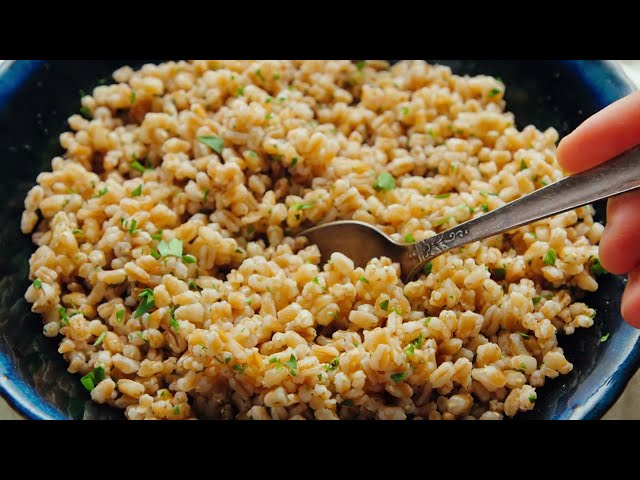
Cooking farro, an historical grain full of vitamins and fiber, is a culinary talent that may elevate any meal. Whether or not you are a seasoned chef or a house cook dinner seeking to increase your culinary repertoire, mastering the artwork of cooking farro will open up a world of culinary prospects.
Farro is a flexible grain that can be utilized in numerous dishes, from hearty salads to heat and comforting soups and stews. Its nutty taste and chewy texture add depth and substance to any meal. Moreover, farro is an effective supply of protein, fiber, and important nutritional vitamins and minerals, making it a nutritious and satisfying alternative.
Cooking farro is a comparatively easy course of, however there are a couple of key steps to observe to make sure the most effective outcomes. First, rinse the farro completely in a fine-mesh sieve to take away any impurities. Subsequent, mix the farro with water or broth in a saucepan and produce to a boil. As soon as boiling, scale back warmth to low, cowl, and simmer for 20-25 minutes, or till the farro is tender and has absorbed all of the liquid. Lastly, fluff the farro with a fork and function desired.
Cooking Farro
Farro, an historical grain prized for its dietary worth and flexibility, requires cautious preparation to unlock its culinary potential. Mastering the artwork of cooking farro entails understanding key elements that embody each stage of the method, from choosing the best elements to reaching the right texture and taste.
- Grain Choice: Selecting high-quality farro ensures a flavorful and nutritious dish.
- Rinsing: Eradicating impurities enhances the grain’s texture and prevents bitterness.
- Water Ratio: The exact ratio of farro to liquid determines the grain’s tenderness and texture.
- Cooking Technique: Simmering gently preserves the grain’s integrity whereas making certain even cooking.
- Seasoning: Herbs, spices, and aromatics elevate the farro’s taste profile.
- Cooking Time: Monitoring the cooking time prevents overcooking and ensures a fascinating texture.
- Fluffing: Aerating the cooked farro enhances its texture and prevents clumping.
- Serving: Farro’s versatility extends to numerous culinary functions, from salads to pilafs.
- Storage: Correct storage strategies protect the cooked farro’s high quality and taste.
- Variations: Experimenting with totally different farro varieties and cooking strategies provides range to dishes.
Understanding these key elements empowers residence cooks and culinary professionals alike to harness the complete potential of farro. By fastidiously contemplating every step, from choosing the best grains to mastering the cooking strategies, one can create scrumptious and nutritious farro dishes that delight the senses and nourish the physique.
Grain Choice
Choosing high-quality farro is a vital step in getting ready a flavorful and nutritious dish. Farro, an historical grain prized for its nutty taste and chewy texture, varies in high quality relying on components such because the rising situations, harvesting strategies, and processing strategies. Selecting high-quality farro ensures that the ultimate dish shall be each scrumptious and full of important vitamins.
- Cultivation Practices: Farro grown in optimum situations, with ample daylight, well-drained soil, and sustainable farming practices, tends to have a richer taste and better nutrient content material.
- Harvesting Strategies: Fastidiously harvested farro retains its dietary worth and taste. Hand-harvesting or mechanical harvesting with minimal injury to the grains preserves their integrity.
- Processing Strategies: Farro may be processed in numerous methods, together with pearling, sprucing, and cracking. Selecting minimally processed farro, similar to complete grain or semi-pearled farro, ensures that the grain’s vitamins and fiber are preserved.
- Natural Certification: Choosing natural farro minimizes publicity to pesticides and chemical compounds, leading to a cleaner and more healthy grain.
Incorporating these concerns into the grain choice course of empowers residence cooks and culinary professionals to create farro dishes that aren’t solely delectable but in addition contribute to a balanced and healthful eating regimen.
Rinsing
Rinsing farro earlier than cooking is a necessary step that considerably improves the grain’s texture and taste. Eradicating impurities, similar to filth, mud, and different particles, enhances the farro’s pure nutty taste and prevents bitterness. Moreover, rinsing helps to take away extra starch, which may make the cooked farro gummy or sticky.
- Improved Texture: Rinsing farro removes floor impurities that may intrude with the grain’s capability to soak up water evenly. This ends in a extra constant and fascinating texture, with every grain changing into tender and fluffy.
- Enhanced Taste: Impurities and extra starch can masks the farro’s pure taste. Rinsing removes these parts, permitting the grain’s nutty and barely candy taste to shine by means of. Eradicating bitterness: Farro naturally accommodates small quantities of tannins, which may impart a bitter style. Rinsing helps to take away these tannins, leading to a extra palatable and fulfilling dish.
- Decreased Cooking Time: Eradicating extra starch by means of rinsing permits the farro to cook dinner extra evenly and rapidly. By eradicating the barrier created by starch, water can penetrate the grain extra simply, lowering the general cooking time.
In abstract, rinsing farro earlier than cooking is an easy but efficient step that enhances the grain’s texture, taste, and cooking effectivity. By eradicating impurities and extra starch, rinsing ensures that the cooked farro is tender, flavorful, and fulfilling in any dish.
Water Ratio
Within the artwork of cooking farro, the water ratio performs a pivotal position in reaching the specified tenderness and texture. Understanding the optimum ratio of farro to liquid is important for creating a wonderfully cooked dish that’s each flavorful and satisfying.
The water ratio impacts the farro’s capability to soak up moisture and cook dinner evenly. Too little liquid may end up in undercooked farro that’s arduous and chewy, whereas an excessive amount of liquid can result in overcooked farro that’s mushy and lacks texture. Reaching the proper ratio ensures that the farro cooks evenly, leading to a young and fluffy texture with a slight chunk.
The best water ratio for cooking farro is often 2:1, which means two components water to at least one half farro. This ratio supplies enough liquid for the farro to soak up with out making it soggy. Nonetheless, it is necessary to notice that several types of farro could require slight changes to the water ratio. For instance, pearled farro, which has a shorter cooking time, could require barely much less water than complete grain farro.
Understanding the significance of the water ratio empowers cooks to regulate it based mostly on their desired texture and the kind of farro used. By fastidiously measuring the liquid and farro, residence cooks and culinary professionals can constantly obtain completely cooked farro that elevates any dish.
Cooking Technique
Within the realm of culinary arts, the cooking methodology performs a pivotal position in figuring out the result of a dish. Relating to cooking farro, simmering gently emerges as the popular method, preserving the grain’s integrity whereas making certain even cooking.
- Managed Warmth: Simmering entails cooking farro in a liquid at a temperature slightly below boiling level. This light warmth prevents the grains from breaking down or changing into mushy, permitting them to retain their form and texture.
- Even Cooking: The low, regular warmth of simmering ensures that the farro cooks evenly all through. This prevents undercooked or overcooked grains, leading to a constant and well-balanced dish.
- Preserved Vitamins: Simmering farro gently helps protect its dietary worth. Not like boiling, which may leach out important nutritional vitamins and minerals, simmering retains these vitamins throughout the grains, contributing to the general well being advantages of the dish.
- Enhanced Taste: Simmering permits the flavors of the cooking liquid to penetrate the farro grains slowly and deeply. This ends in a extra flavorful and fragrant dish, the place the farro absorbs the nuances of herbs, spices, or different elements added to the liquid.
In conclusion, the cooking methodology of simmering gently is a necessary side of ” cook dinner farro.” By controlling the warmth and cooking time, this method preserves the grain’s integrity, ensures even cooking, retains vitamins, and enhances taste. Understanding and making use of this methodology empowers residence cooks and culinary professionals alike to create scrumptious and nutritious farro dishes that showcase the grain’s distinctive qualities.
Seasoning
Within the culinary world, the artwork of seasoning is a transformative course of that elevates the flavors of any dish. Relating to cooking farro, herbs, spices, and aromatics play an important position in enhancing the grain’s inherent nutty taste and making a fascinating style expertise. Understanding the connection between seasoning and farro empowers cooks to unlock the complete potential of this versatile grain.
- Harnessing the Energy of Herbs: Herbs, similar to basil, thyme, and oregano, carry a contemporary and fragrant dimension to farro dishes. Their delicate flavors complement the grain’s refined nuttiness, including a layer of complexity that delights the palate. Whether or not included throughout cooking or sprinkled on prime as a final touch, herbs impart a vibrant freshness that elevates the general taste profile.
- Exploring the Spice Palette: Spices, like cumin, coriander, and paprika, add heat, depth, and intrigue to farro dishes. Their daring and strong flavors create a harmonious steadiness with the grain’s pure sweetness. Experimenting with totally different spice mixtures permits cooks to tailor the flavour profile to their preferences, starting from gentle and earthy to fiery and unique.
- Unleashing the Essence of Aromatics: Aromatics, similar to onions, garlic, and celery, type the fragrant basis of many farro dishes. Their pungent and savory flavors infuse the grain with a wealthy and attractive base. By sauting aromatics earlier than including farro to the pot, cooks create a flavorful base that permeates the grain, leading to a symphony of flavors.
- Layering Flavors for a Culinary Masterpiece: The true magic of seasoning farro lies within the harmonious mixture of herbs, spices, and aromatics. By layering these parts, cooks create a posh and nuanced taste profile that tantalizes the style buds. The interaction of contemporary, heat, and savory notes creates a fascinating culinary expertise that showcases the flexibility of farro.
In conclusion, understanding the connection between seasoning and farro empowers residence cooks and culinary professionals alike to rework this humble grain right into a flavor-packed delight. By incorporating herbs, spices, and aromatics into their cooking course of, they’ll elevate the style of farro, creating dishes that aren’t solely nutritious but in addition gastronomically fascinating.
Cooking Time
Within the culinary realm, understanding the importance of cooking time is paramount, particularly when working with a flexible grain like farro. Monitoring the cooking time meticulously prevents overcooking, preserving the grain’s delicate texture and making certain a fascinating end result.
- Figuring out the Grain: Completely different types of farro, similar to semi-pearled or complete grain, have various cooking instances. Understanding the precise kind of farro getting used is important to find out the suitable cooking period.
- Water Ratio and Cooking Technique: The ratio of farro to liquid, in addition to the cooking methodology employed (stovetop, oven, or stress cooker), can affect the cooking time. Adjusting the cooking time accordingly ensures optimum outcomes.
- Texture Issues: Overcooked farro can change into mushy and lose its pleasant(). Conversely, undercooked farro could retain a() and an unappetizing texture. Monitoring the cooking time permits for exact management over the grain’s texture.
- Style and Vitamin: Cooking farro for the suitable period of time not solely impacts its texture but in addition its taste and dietary worth. Overcooked farro could lose a few of its nutty taste, whereas undercooked farro could not totally launch its vitamins.
In conclusion, understanding the connection between cooking time and farro is essential for reaching the specified texture, taste, and dietary advantages. By fastidiously monitoring the cooking time and contemplating components similar to farro kind, cooking methodology, and desired texture, cooks can unlock the complete potential of this versatile grain.
Fluffing
Within the culinary world, understanding the nuances of cooking strategies is important for reaching optimum outcomes. Fluffing farro, a seemingly easy step, performs a pivotal position in enhancing the grain’s texture and stopping clumping, contributing to the general success of ” cook dinner farro.”
- Improved Texture: Fluffing separates the cooked farro grains, leading to a light-weight and fluffy texture. This aeration course of creates a extra fulfilling consuming expertise, stopping the farro from changing into dense or gummy.
- Prevents Clumping: Farro naturally accommodates starch, which may trigger the grains to stay collectively throughout cooking. Fluffing breaks up these clumps, making certain that every grain stays distinct and separate, contributing to a extra visually interesting and appetizing dish.
- Enhances Taste: By separating the farro grains, fluffing permits seasonings and flavors to penetrate extra evenly all through the dish. This ends in a farro dish with a well-balanced and harmonious style profile.
- Versatility: Fluffed farro is a flexible ingredient that can be utilized in numerous culinary functions. Whether or not served as a aspect dish, added to salads, or included into principal programs, fluffing ensures that the farro retains its texture and taste, contributing to the general success of the dish.
In conclusion, fluffing cooked farro is a necessary step that shouldn’t be ignored when mastering the artwork of ” cook dinner farro.” By understanding the importance of this method and its impression on texture, clumping, taste, and flexibility, cooks can constantly obtain scrumptious and visually interesting farro dishes that delight the palate and elevate any meal.
Serving
Farro’s versatility as a cooked grain extends to a variety of culinary functions, making it a extremely adaptable and useful ingredient. This versatility stems from its distinctive texture and nutty taste, which enhance numerous dishes and preparations.
- Salads: Cooked farro can function a hearty base for salads, offering a chewy texture and a nutty taste that pairs properly with contemporary greens, grilled meats, and tangy dressings. Its capability to soak up flavors makes it a wonderful alternative for marinated salads.
- Pilafs: Farro’s agency texture makes it a super grain for pilafs. When cooked in a flavorful broth with fragrant spices and greens, farro pilafs change into a flavorful and satisfying aspect dish or principal course.
- Soups and Stews: The chewy texture of farro provides substance to soups and stews. Its nutty taste enhances wealthy broths and hearty greens, making it a flexible ingredient for these comforting dishes.
- Risotto: Farro can be utilized as a singular and flavorful different to Arborio rice in risotto. Its agency texture holds its form properly, leading to a creamy and satisfying dish with a pleasant nutty undertone.
Understanding the flexibility of farro empowers cooks to discover its potential in numerous culinary creations. Its capability to adapt to totally different flavors and textures makes it a flexible and useful ingredient that may elevate any meal.
Storage
The artwork of ” cook dinner farro” extends past the preliminary preparation and cooking course of. Correct storage strategies play an important position in preserving the cooked farro’s high quality and taste, making certain that this versatile grain retains its dietary worth and culinary attraction.
- Sustaining Optimum Temperature: Cooked farro ought to be saved in an hermetic container within the fridge at a temperature beneath 40F (4C). This cool surroundings inhibits bacterial progress and spoilage, extending the farro’s shelf life.
- Stopping Moisture Loss: Hermetic storage is essential to stop moisture loss, which may dry out the farro and diminish its taste. Glass jars with tight-fitting lids or freezer-safe plastic baggage are perfect for this function.
- Limiting Publicity to Mild: Farro accommodates pure oils that may degrade when uncovered to mild. Storing cooked farro in opaque containers or protecting it in a darkish pantry helps protect its taste and dietary integrity.
- Figuring out Storage Length: Correctly saved cooked farro can preserve its high quality within the fridge for as much as 5 days. For longer storage, freezing is beneficial, the place it may be stored for a number of months with out compromising its taste or texture.
Understanding the significance of correct storage strategies empowers cooks to protect the standard and taste of their cooked farro. By adhering to those tips, they’ll benefit from the versatility and dietary advantages of this historical grain for days and even months to come back.
Variations
Inside the culinary realm of ” cook dinner farro,” embracing variations performs a pivotal position in increasing the horizons of this versatile grain. Farro’s various varieties and cooking strategies supply an thrilling canvas for culinary exploration, leading to a large number of flavors, textures, and dishes.
-
Farro Varieties:
Farro encompasses a spread of sorts, every boasting distinctive traits. Semi-pearled farro, with its barely chewy texture and nutty taste, serves as a flexible base for salads and pilafs. Complete grain farro, plentiful in fiber and vitamins, provides a hearty chunk to soups and stews. Einkorn farro, an historical selection, provides a fragile and barely candy taste, lending itself properly to delicate preparations.
-
Cooking Strategies:
Past the stovetop, farro may be cooked utilizing numerous strategies to realize distinct outcomes. Stress cooking, for example, considerably reduces cooking time whereas preserving the grain’s integrity. Oven-baking farro ends in a barely crispy exterior and a young inside, good for hearty grain bowls. Experimenting with totally different cooking strategies permits for the exploration of various textures and flavors.
By embracing variations, residence cooks and culinary professionals alike can remodel farro from a easy grain right into a culinary centerpiece. Whether or not experimenting with totally different varieties or cooking strategies, the probabilities are boundless, unlocking a world of flavors and textures that elevate any culinary creation.
Continuously Requested Questions
To reinforce the great understanding of cooking farro, addressing steadily requested questions is important. This part delves into widespread considerations or misconceptions, offering concise and informative solutions.
Query 1: What’s the very best water-to-farro ratio?
Reply: The optimum water-to-farro ratio is 2:1, making certain the farro grains take up enough moisture with out changing into soggy.
Query 2: Can farro be cooked upfront?
Reply: Sure, cooked farro may be saved in an hermetic container within the fridge for as much as 5 days or within the freezer for a number of months.
Query 3: Is farro gluten-free?
Reply: No, farro accommodates gluten and isn’t appropriate for people with celiac illness or gluten intolerance.
Query 4: What are the well being advantages of farro?
Reply: Farro is a nutritious grain wealthy in fiber, protein, nutritional vitamins, and minerals, contributing to digestive well being, satiety, and general well-being.
Query 5: Can I substitute farro for different grains?
Reply: Sure, farro can be utilized as an alternative choice to different grains similar to quinoa, barley, or brown rice in numerous dishes.
Query 6: What are some inventive methods to include farro into meals?
Reply: Farro may be utilized in salads, pilafs, soups, stews, risottos, and even desserts, providing versatility and culinary inspiration.
In conclusion, understanding the intricacies of cooking farro by means of these steadily requested questions empowers people to organize this nutritious and versatile grain with confidence, exploring its culinary potential to reinforce any meal.
Transition to the following part: Important Points of Cooking Farro
Ideas for Cooking Farro
To raise your farro cooking abilities, contemplate these useful ideas that may improve the flavour, texture, and flexibility of this historical grain:
Tip 1: Select the Proper Sort of Farro
Completely different types of farro possess distinctive traits. Semi-pearled farro provides a balanced texture and nutty taste, whereas complete grain farro supplies a chewier texture and the next fiber content material. Choose the sort that most closely fits your required end result.
Tip 2: Rinse Totally
Rinsing farro earlier than cooking removes floor impurities and extra starch, leading to a cleaner and extra flavorful grain. This step additionally helps forestall the farro from changing into gummy or sticky.
Tip 3: Measure Fastidiously
Exactly measuring the farro and water ratio is essential for reaching the specified texture. Use a measuring cup to make sure correct proportions and to keep away from over- or undercooked farro.
Tip 4: Simmer Gently
Simmering farro gently over low warmth preserves its texture and permits it to cook dinner evenly. Keep away from boiling, as this may end up in mushy or damaged grains.
Tip 5: Season Generously
Farro’s refined nutty taste pairs properly with a wide range of seasonings. Experiment with herbs, spices, and aromatics to reinforce the grain’s style. Take into account including elements like garlic, onions, thyme, or rosemary for a flavorful twist.
Abstract of Key Takeaways:
- Choosing the suitable farro kind and rinsing it completely are important preparatory steps.
- Exact measurement and mild simmering contribute to the perfect texture and consistency.
- Flavorful seasonings elevate the farro’s style and flexibility.
Incorporating the following pointers into your cooking repertoire will empower you to organize completely cooked farro that shines as a tasty and nutritious addition to any meal.
Transition to the article’s conclusion: Cooking farro is a culinary journey that unveils the grain’s potential. By embracing the following pointers and strategies, you’ll be able to unlock the versatile essence of farro, remodeling it right into a staple ingredient for flavorful and healthful dishes.
Conclusion
By this complete exploration of ” cook dinner farro,” we have now unveiled the culinary potential of this historical grain. From choosing the best kind to mastering the cooking strategies, every step contributes to the creation of flavorful and nutritious farro dishes.
As you embark in your farro cooking journey, bear in mind the important thing ideas outlined on this article. Perceive the significance of correct preparation, exact measurements, light simmering, and beneficiant seasoning. Experiment with totally different types of farro and cooking strategies to find the varied flavors and textures that this versatile grain has to supply.
Cooking farro will not be merely a culinary process however a chance to attach with our culinary heritage and recognize the easy but profound joys of healthful cooking. Might this newfound information encourage you to create numerous delectable farro-based dishes that nourish your physique and soul.
Youtube Video: