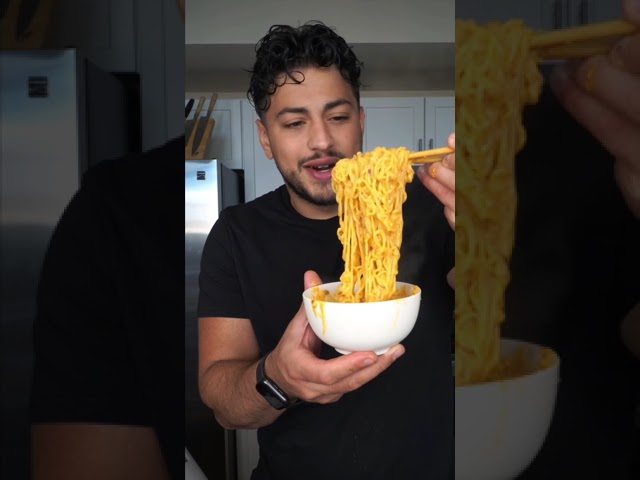
Cooking noodles is a culinary artwork kind that entails boiling or soaking noodles in water or broth till they’re tender. Noodles are a staple meals in lots of cultures world wide and may be constituted of varied elements similar to wheat flour, rice flour, or buckwheat flour. There are numerous various kinds of noodles, every with its distinctive form, measurement, and texture.
Cooking noodles correctly is important to reaching the right texture and taste. Overcooked noodles can grow to be mushy and bland, whereas undercooked noodles may be powerful and chewy. The important thing to cooking noodles completely is to observe the bundle instructions rigorously and to regulate the cooking time based mostly on the kind of noodles being cooked.
There are numerous alternative ways to prepare dinner noodles, however the most typical methodology is to boil them in water. To boil noodles, carry a big pot of salted water to a boil and add the noodles. Prepare dinner the noodles in accordance with the bundle instructions, stirring sometimes to stop them from sticking collectively. As soon as the noodles are cooked, drain them in a colander and rinse them with chilly water to cease the cooking course of.
How one can Prepare dinner Noodles
Cooking noodles is a culinary artwork kind that entails boiling or soaking noodles in water or broth till they’re tender. Noodles are a staple meals in lots of cultures world wide and may be constituted of varied elements similar to wheat flour, rice flour, or buckwheat flour. There are numerous various kinds of noodles, every with its distinctive form, measurement, and texture.
- Components: Noodles may be constituted of varied elements similar to wheat flour, rice flour, or buckwheat flour.
- Sorts: There are numerous various kinds of noodles, every with its distinctive form, measurement, and texture.
- Cooking strategies: Noodles may be boiled, soaked, or fried.
- Texture: The feel of noodles can vary from delicate and chewy to agency and al dente.
- Taste: Noodles may be flavored with varied sauces, spices, and elements.
- Culinary makes use of: Noodles can be utilized in all kinds of dishes, from soups and stews to salads and stir-fries.
- Cultural significance: Noodles are a staple meals in lots of cultures world wide and infrequently have cultural and historic significance.
- Well being advantages: Noodles could be a good supply of carbohydrates, protein, and fiber.
- Storage: Noodles may be saved in a cool, dry place for a number of months.
- Preparation: Noodles are usually ready by boiling them in water or broth.
These are just some of the important thing facets to contemplate when cooking noodles. By understanding these facets, you may prepare dinner noodles completely each time.
Components
The kind of flour used to make noodles has a big influence on their style, texture, and cooking time. Wheat flour noodles are the most typical sort and have a gentle taste and chewy texture. Rice flour noodles are a very good different for folks with wheat allergic reactions and have a barely sticky texture. Buckwheat flour noodles have a nutty taste and a agency texture.
- Wheat flour noodles are the most typical sort of noodle and are constituted of wheat flour, water, and salt. They’ve a gentle taste and a chewy texture. Wheat flour noodles are utilized in quite a lot of dishes, together with pasta, ramen, and udon.
- Rice flour noodles are a very good different for folks with wheat allergic reactions and are constituted of rice flour, water, and salt. They’ve a barely sticky texture and are sometimes utilized in stir-fries and soups.
- Buckwheat flour noodles have a nutty taste and a agency texture and are constituted of buckwheat flour, water, and salt. They’re usually utilized in soba noodles and are a very good supply of fiber.
When selecting the kind of flour to make use of in your noodles, it is very important take into account the dish you make and the specified texture. Wheat flour noodles are a very good all-purpose noodle, whereas rice flour noodles and buckwheat flour noodles are higher fitted to particular dishes.
Sorts
The kind of noodle you select could have a big influence on the cooking time and the ultimate texture of your dish. For instance, skinny noodles, similar to angel hair pasta, will prepare dinner rather more shortly than thick noodles, similar to pappardelle. Equally, contemporary noodles will prepare dinner extra shortly than dried noodles.
It is very important concentrate on the various kinds of noodles obtainable and learn how to prepare dinner them correctly. It will allow you to to create scrumptious and genuine noodle dishes.
Listed below are a couple of suggestions for cooking noodles:
- At all times learn the bundle instructions rigorously earlier than cooking noodles.
- Use a big pot of boiling water to prepare dinner noodles.
- Add salt to the water earlier than including the noodles.
- Stir the noodles sometimes to stop them from sticking collectively.
- Drain the noodles in a colander as soon as they’re cooked.
- Rinse the noodles with chilly water to cease the cooking course of.
By following the following pointers, you may prepare dinner noodles completely each time.
Cooking strategies
The cooking methodology you select could have a big influence on the feel and taste of your noodles. Boiling is the most typical cooking methodology and is appropriate for many sorts of noodles. Soaking is an efficient methodology for cooking noodles which are very skinny or delicate. Frying is an efficient methodology for cooking noodles that you just wish to be crispy or browned.
Here’s a extra detailed take a look at every cooking methodology:
- Boiling is the most typical solution to prepare dinner noodles. To boil noodles, carry a big pot of water to a boil and add the noodles. Prepare dinner the noodles in accordance with the bundle instructions, stirring sometimes to stop them from sticking collectively. As soon as the noodles are cooked, drain them in a colander and rinse them with chilly water to cease the cooking course of.
- Soaking is an efficient methodology for cooking noodles which are very skinny or delicate. To soak noodles, place them in a bowl and canopy them with chilly water. Let the noodles soak for the period of time specified within the bundle instructions. As soon as the noodles are soaked, drain them in a colander and rinse them with chilly water.
- Frying is an efficient methodology for cooking noodles that you just wish to be crispy or browned. To fry noodles, warmth a big skillet or wok over medium-high warmth. Add the noodles to the skillet and prepare dinner, stirring continuously, till they’re browned to your required degree. As soon as the noodles are fried, take away them from the skillet and drain them on paper towels.
The cooking methodology you select will depend upon the kind of noodles you might be utilizing and the specified texture and taste. By understanding the completely different cooking strategies, you may prepare dinner noodles completely each time.
Texture
The feel of noodles is likely one of the most necessary components to contemplate when cooking noodles. The feel of noodles can vary from delicate and chewy to agency and al dente. The kind of noodle, the cooking methodology, and the cooking time will all have an effect on the feel of the noodles.
- Noodle sort: Various kinds of noodles have completely different textures. For instance, wheat flour noodles are usually chewier than rice flour noodles.
- Cooking methodology: The cooking methodology may also have an effect on the feel of the noodles. For instance, boiling noodles will end in a softer texture than frying noodles.
- Cooking time: The cooking time may also have an effect on the feel of the noodles. For instance, cooking noodles for a shorter period of time will end in a firmer texture than cooking noodles for an extended period of time.
- Private desire: In the end, the feel of the noodles is a matter of non-public desire. Some folks choose delicate and chewy noodles, whereas others choose agency and al dente noodles.
It is very important experiment with various kinds of noodles, cooking strategies, and cooking instances to seek out the feel that you just choose. By understanding the components that have an effect on the feel of noodles, you may prepare dinner noodles completely each time.
Taste
Relating to cooking noodles, taste is simply as necessary as texture. Noodles may be flavored with quite a lot of sauces, spices, and elements to create a variety of dishes. The chances are limitless, and one of the best ways to seek out your favourite taste combos is to experiment with completely different elements.
- Sauces: Sauces are an effective way so as to add taste and moisture to noodles. Some common sauces for noodles embody soy sauce, teriyaki sauce, oyster sauce, and peanut sauce.
- Spices: Spices can be utilized so as to add quite a lot of flavors to noodles, from spicy to candy to savory. Some common spices for noodles embody garlic, ginger, chili peppers, and cumin.
- Components: Along with sauces and spices, you too can add different elements to noodles for taste, similar to greens, meat, and seafood. Some common elements for noodles embody hen, beef, shrimp, and broccoli.
Relating to flavoring noodles, the probabilities are limitless. Experiment with completely different elements and combos to seek out your favourite dishes. With somewhat creativity, you may create scrumptious and flavorful noodle dishes that your loved ones and associates will love.
Culinary makes use of
Noodles are a flexible ingredient that can be utilized in all kinds of dishes, from soups and stews to salads and stir-fries. The kind of noodle used will fluctuate relying on the dish, however a few of the hottest sorts of noodles embody spaghetti, macaroni, and ramen noodles.
- Soups and stews: Noodles are a standard ingredient in soups and stews, the place they assist to thicken the broth and add substance to the dish. Some common noodle soups embody hen noodle soup, beef stew, and ramen.
- Salads: Noodles can be utilized in salads, the place they add a chewy texture and assist to bulk up the salad. Some common noodle salads embody pasta salad, potato salad, and macaroni salad.
- Stir-fries: Noodles are a preferred ingredient in stir-fries, the place they’re cooked shortly in a scorching wok with greens and meat. Some common noodle stir-fries embody pad thai, lo mein, and chow mein.
- Different dishes: Noodles can be utilized in quite a lot of different dishes, similar to casseroles, lasagna, and dumplings. The chances are limitless, and noodles can be utilized to create a variety of scrumptious and satisfying meals.
When cooking noodles, it is very important observe the bundle instructions rigorously. Various kinds of noodles have completely different cooking instances, and overcooking noodles could make them mushy and unpalatable. As soon as the noodles are cooked, they are often added to your favourite soup, stew, salad, or stir-fry. With so many alternative methods to make use of them, noodles are a flexible ingredient that may allow you to to create quite a lot of scrumptious meals.
Cultural significance
Noodles are rather more than only a meals supply for a lot of cultures throughout the globe. They maintain deep cultural significance and are sometimes intertwined with traditions, festivals, and historic occasions.
-
Symbolism and mythology
In lots of cultures, noodles symbolize longevity, success, and prosperity. For instance, in Chinese language tradition, lengthy noodles are served at birthday celebrations to symbolize a protracted and affluent life.
-
Non secular and non secular significance
Noodles are additionally utilized in spiritual ceremonies and rituals. For instance, in some Buddhist cultures, noodles are provided to deities as a type of prayer or thanksgiving.
-
Cultural identification
Noodles could be a highly effective image of cultural identification. For instance, pasta is carefully related to Italian tradition, whereas ramen is taken into account a nationwide dish of Japan.
-
Social and financial significance
Noodles have performed a big position within the social and financial improvement of many cultures. For instance, the manufacturing and commerce of noodles have been necessary industries in China for hundreds of years.
Understanding the cultural significance of noodles can improve our appreciation for this versatile meals and the various cultures which have embraced it. Once we prepare dinner noodles, we aren’t solely nourishing our our bodies but in addition connecting with a wealthy tapestry of traditions and beliefs.
Well being advantages
Understanding the dietary worth of noodles may help you make knowledgeable decisions about learn how to prepare dinner and devour them as a part of a balanced food plan.
-
Carbohydrates
Noodles are a very good supply of carbohydrates, which give vitality to the physique. Advanced carbohydrates, present in whole-wheat or brown rice noodles, are digested extra slowly and may help regulate blood sugar ranges.
-
Protein
Some noodles, particularly these constituted of legumes or buckwheat, are a very good supply of protein. Protein is important for constructing and repairing tissues, and it may possibly assist promote satiety after consuming.
-
Fiber
Noodles constituted of complete grains or greens are a very good supply of fiber. Fiber may help promote regularity, decrease levels of cholesterol, and management blood sugar ranges.
By contemplating the well being advantages of noodles, you may make decisions that assist your total well-being. Incorporating noodles right into a balanced food plan can present important vitamins and contribute to a wholesome way of life.
Storage
The right storage of noodles is essential to sustaining their high quality and guaranteeing their suitability for cooking. Understanding learn how to retailer noodles successfully lets you lengthen their shelf life and protect their taste and texture.
-
Superb Storage Situations
Noodles ought to be saved in a cool, dry place, away from direct daylight and warmth sources. Superb storage temperatures vary from 10C to 15C (50F to 59F). Sustaining these situations helps stop the expansion of micro organism and mould, which may compromise the standard of the noodles.
-
Moisture Management
Noodles ought to be saved in an hermetic container to stop moisture from getting into. Extra moisture may cause the noodles to grow to be delicate and sticky, affecting their texture and style. Utilizing hermetic containers or resealable baggage helps protect the noodles’ unique texture and taste.
-
Pest Management
Noodles ought to be saved in a pest-free surroundings to stop contamination. Pests similar to bugs and rodents can infest noodles, contaminating them with micro organism or inflicting bodily harm. Common inspection and correct storage practices assist hold pests away and preserve the standard of the noodles.
-
Lifespan and Shelf Life
When saved correctly, noodles can have a shelf lifetime of a number of months. Nonetheless, the precise lifespan will depend on the kind of noodles and the storage situations. Contemporary noodles, for instance, have a shorter shelf life than dried noodles. By following correct storage pointers, you may lengthen the lifespan of noodles and guarantee their freshness for future use.
Understanding the significance of correct storage for noodles empowers you to keep up their high quality, protect their taste and texture, and lengthen their shelf life. By adhering to those pointers, you may be sure that your noodles are at all times prepared for cooking, offering you with a handy and scrumptious meal choice.
Preparation
When exploring “learn how to prepare dinner noodles,” understanding the importance of preparation is prime. Boiling noodles in water or broth is a prevalent methodology that profoundly impacts the end result of the dish. This part will delve into the preparatory steps concerned in boiling noodles, unraveling the intricacies of this course of and its implications for profitable noodle cooking.
-
Boiling as a Approach
Boiling entails submerging noodles in boiling water or broth, permitting them to prepare dinner by the absorption of warmth. This methodology is broadly used for its simplicity, effectivity, and flexibility. Boiling may be utilized to numerous noodle varieties, yielding constant outcomes when it comes to doneness and texture.
-
Elements Influencing Boiling Time
The boiling time for noodles varies relying on their sort, thickness, and desired degree of doneness. Contemporary noodles, as an illustration, are inclined to prepare dinner quicker than dried noodles. Thicker noodles require an extended boiling time to make sure they’re cooked evenly all through. Moreover, private preferences can affect the boiling time, with some people preferring al dente noodles (barely agency to the chunk) or softer, absolutely cooked noodles.
-
Seasoning and Flavoring
Whereas boiling, noodles may be seasoned with salt or different flavorings added to the water. This infuses the noodles with delicate flavors and enhances their style. Alternatively, noodles may be cooked in flavorful broths, similar to hen or vegetable broth, to impart a richer, extra advanced taste profile.
-
Draining and Refreshing
As soon as the noodles have reached the specified doneness, they need to be drained in a colander to take away extra water. Refreshing the noodles by rinsing them below chilly water helps cease the cooking course of and prevents them from overcooking or changing into mushy. Moreover, refreshing can improve the feel of the noodles, making them firmer and extra springy.
By mastering the artwork of boiling noodles, you may get hold of completely cooked noodles that kind the muse of scrumptious noodle-based dishes. Understanding the strategies, components, and nuances concerned on this preparatory step empowers you to attain constant and flavorful outcomes each time you prepare dinner noodles.
FAQs on Cooking Noodles
This part addresses frequent questions and misconceptions surrounding the subject of “learn how to prepare dinner noodles,” offering informative solutions to information you in direction of profitable noodle preparation.
Query 1: What’s the best water-to-noodle ratio for boiling noodles?
Reply: The really helpful water-to-noodle ratio is roughly 4:1. This ratio ensures that the noodles have ample house to prepare dinner evenly and prevents them from sticking collectively.
Query 2: How do I stop my noodles from changing into mushy?
Reply: To keep away from mushy noodles, prepare dinner them in accordance with the bundle directions and style them periodically to find out the specified degree of doneness. Moreover, refreshing the noodles below chilly water instantly after draining stops the cooking course of and helps retain their firmness.
Query 3: Can I prepare dinner various kinds of noodles collectively?
Reply: Whereas it’s attainable to prepare dinner various kinds of noodles collectively, it is very important take into account their various cooking instances. Regulate the cooking time based mostly on the noodle sort that requires the longest cooking period. Alternatively, prepare dinner them individually to keep up their particular person textures and flavors.
Query 4: How do I add taste to my noodles throughout boiling?
Reply: You may improve the flavour of your noodles by including salt or different seasonings to the boiling water. Moreover, think about using flavorful broths, similar to hen or vegetable broth, because the cooking liquid to infuse the noodles with richer tastes.
Query 5: What’s one of the best ways to retailer cooked noodles?
Reply: Cooked noodles ought to be saved in an hermetic container within the fridge for as much as 3 days. To stop them from sticking collectively, toss them with a small quantity of oil or sauce earlier than refrigerating.
Query 6: Can I reheat cooked noodles?
Reply: Sure, cooked noodles may be reheated. To protect their texture, reheat them gently in a pan with a small quantity of water or sauce. Keep away from overcooking, as this may make them mushy.
Abstract: Cooking noodles entails understanding the strategies, components, and nuances that affect the end result. By addressing frequent questions and misconceptions, you may develop the talents and data vital to arrange scrumptious and flavorful noodles constantly.
Transition to the subsequent article part:
Tips about Cooking Noodles
Mastering the artwork of cooking noodles requires consideration to element and an understanding of the components that affect the end result. This part gives beneficial tricks to information you in direction of reaching completely cooked noodles.
Tip 1: Selecting the Proper Noodles
The kind of noodle you select will considerably influence the feel and taste of your dish. Take into account the thickness, form, and elements of the noodles to match your required final result.
Tip 2: Measuring the Water-to-Noodle Ratio
The perfect water-to-noodle ratio is essential for stopping mushy or undercooked noodles. As a basic rule, use roughly 4 elements water to 1 half noodles.
Tip 3: Salting the Water
Including salt to the boiling water enhances the flavour of the noodles. Use roughly 1 tablespoon of salt for each 4 cups of water.
Tip 4: Cooking Time and Testing for Doneness
Observe the bundle directions for cooking time, however periodically style the noodles to find out the specified degree of doneness. Al dente noodles ought to have a slight firmness when bitten.
Tip 5: Draining and Refreshing
Instantly drain the noodles in a colander to cease the cooking course of. Refresh the noodles below chilly water to stop overcooking and improve their texture.
Tip 6: Seasoning and Saucing
Add taste to your noodles by tossing them together with your favourite sauces, seasonings, or elements. Experiment with completely different combos to create distinctive and delectable dishes.
Abstract: By incorporating the following pointers into your cooking routine, you may elevate your noodle dishes to new heights. Keep in mind to decide on the suitable noodles, measure the water-to-noodle ratio precisely, and take note of cooking time and doneness.
Transition to the article’s conclusion:
Conclusion on Cooking Noodles
On this complete exploration of “learn how to prepare dinner noodles,” now we have delved into the intricacies of this culinary artwork, from deciding on the suitable noodles to mastering the strategies of boiling, draining, and seasoning. By understanding the components that affect the end result, you may constantly create scrumptious and flavorful noodle dishes.
Keep in mind, the important thing to profitable noodle cooking lies in consideration to element and a willingness to experiment. Experiment with various kinds of noodles, sauces, and seasonings to find your favourite combos. Cooking noodles ought to be an pleasing and rewarding expertise, permitting you to create satisfying and memorable meals.
Youtube Video: